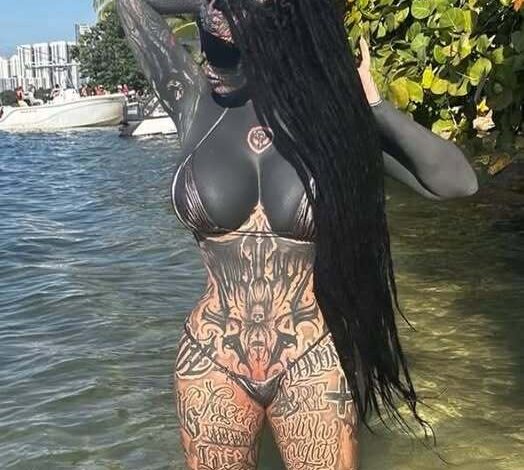
Tattoos have long been one of the most visible and personal forms of self-expression. For many people, they are more than decoration on the skin. They are symbols of identity, memory, belief, survival, love, loss, creativity, or transformation. A tattoo can mark a turning point in someone’s life, honor a loved one, represent a personal struggle, or serve as a reminder of something they never want to forget. Because tattoos remain on the body, they often carry a sense of permanence that makes them especially meaningful.
For some individuals, getting a tattoo is an emotional and deeply intentional decision. A person may choose a design connected to family, grief, healing, faith, or personal growth. Others may use tattoos to reclaim ownership of their bodies after difficult experiences. In this way, tattoos can become a private language made visible, allowing someone to carry their story with them every day. Even a small tattoo can hold a meaning that is far larger than its size.
Tattoos can also carry strong cultural, spiritual, and historical significance. In many Indigenous communities and traditional societies, tattoos are not simply personal choices or fashion statements. They may represent ancestry, social status, rites of passage, tribal identity, protection, courage, or spiritual connection. These markings can tell stories about where a person comes from, who they belong to, and what responsibilities or traditions they carry. In such contexts, tattoos are often connected to community and heritage rather than individual style alone.
At the same time, many people choose tattoos primarily as a form of art. They may be drawn to a design because it is beautiful, bold, delicate, abstract, colorful, or visually striking. Some see their bodies as a living canvas, adding new pieces over time as their tastes, experiences, and personalities evolve. For artists and collectors alike, tattoos can represent creativity, craftsmanship, and collaboration. The design, placement, shading, and style all become part of a larger visual expression.
Modern society has become much more accepting of tattoos than it once was, but attitudes still vary widely. In some places, tattoos are viewed as normal, fashionable, or even admirable. In others, they may still be associated with rebellion, disrespect, criminality, or poor judgment. These views often depend on culture, generation, religion, profession, and personal upbringing. What one person sees as meaningful art, another may see as inappropriate or offensive.
Religious and conservative communities may have especially strong opinions about tattoos. Some believe marking the body goes against spiritual teachings or traditional values. Others may accept certain tattoos but reject others based on their imagery, placement, or message. These differences show that tattoos are not interpreted the same way everywhere. The meaning of a tattoo can change depending on who is looking at it and what beliefs they bring to that interpretation.
Professional attitudes toward tattoos have also changed, though not completely. Many workplaces are now more relaxed about visible tattoos, especially in creative industries, service jobs, and modern office environments. However, some employers still require tattoos to be covered, particularly in formal, customer-facing, or conservative fields. This reflects the lingering stigma that tattoos can still carry, as well as generational differences in how professionalism is defined.
Ultimately, the decision to get a tattoo is deeply personal. It may be shaped by culture, religion, identity, memory, fashion, art, or personal experience. For some, a tattoo is sacred. For others, it is simply beautiful. For others still, it is a statement of independence or a reminder of who they have become. Whether viewed as art, tradition, rebellion, identity, or storytelling, tattoos remain a powerful and enduring form of human expression. They show how people use the body not only to exist in the world, but also to communicate meaning, history, and individuality.