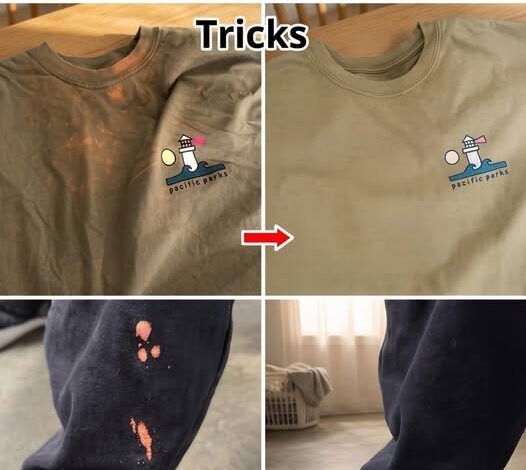
A small bleach stain can feel like the end of a favorite piece of clothing. Whether it happens during a cleaning project or by accident in the laundry room, those pale spots often stand out immediately and seem impossible to ignore. Many people assume the damage is permanent and either hide the item in the back of a closet or throw it away altogether. The frustrating part is that the fabric itself is usually still in great condition. In reality, understanding how bleach affects clothing can help you make smarter decisions before giving up on a garment you still love. While bleach stains are different from ordinary stains, there are a few simple techniques that may help improve their appearance and extend the life of your clothing.
Unlike dirt, food, or grease stains, bleach doesn’t leave something behind on the fabric—it removes color from it. That’s why traditional stain removers and laundry products often have little effect. The challenge is not cleaning the fabric but dealing with the loss of dye. Because of this, many people believe the only solution is to re-dye the entire garment, which can be time-consuming and may not produce a perfect color match. Fortunately, there are other options worth trying first. While these methods may not completely restore the original color, they can help reduce the contrast between the affected area and the surrounding fabric, making the stain much less noticeable. In many cases, that is enough to make the item wearable again and save it from being discarded.
One of the most useful approaches is to act quickly when the bleach stain is fresh. Bleach can continue affecting fabric even after the initial spill, so stopping the process as soon as possible is important. A gentle mixture of room-temperature water and a bleach-neutralizing product, such as sodium thiosulfate, can help prevent additional discoloration. Carefully applying the solution to the affected area and then rinsing thoroughly with cold water may lessen the severity of the stain. As with any fabric treatment, it is a good idea to test the solution on a hidden section first to ensure it does not create unwanted effects. This simple step can sometimes make a noticeable difference, especially when the stain is caught early.
If the discoloration remains, another technique may help blend the lighter area with the surrounding fabric. Some people use a small amount of rubbing alcohol combined with white vinegar and gently dab the mixture onto the faded spot. The goal is to encourage a subtle redistribution of dye from nearby fibers, helping the stain appear less obvious. Patience is important, as aggressive rubbing can damage the material. This method is often most effective on darker fabrics, where color differences tend to be more noticeable. While no home remedy can guarantee a perfect repair, these practical solutions can help revive clothing that might otherwise be discarded. By taking a thoughtful approach, you can save money, reduce waste, and keep your favorite garments looking their best for longer.