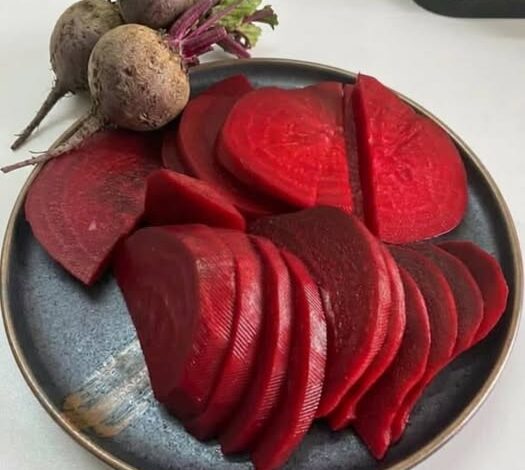
Doctors and nutrition experts often point to beets as one of those simple foods that can support the body in several important ways when eaten regularly as part of a balanced diet. They are not flashy, expensive, or complicated, but they contain a powerful mix of natural compounds, fiber, vitamins, and minerals that can contribute to long-term health.
One of the best-known benefits of beets comes from their naturally occurring nitrates. Once consumed, these nitrates can be converted in the body into nitric oxide, a molecule that helps relax and widen blood vessels. This improved blood vessel function can support better circulation, allowing oxygen and nutrients to move more efficiently through the body. For this reason, beets are often associated with heart health, healthy blood pressure support, improved stamina, and better physical endurance.
This effect may also help explain why many athletes and active people include beet juice or cooked beets in their diets. When blood flow improves, muscles may receive oxygen more efficiently during movement. That does not mean beets act like a magic performance booster, but they may support the body’s natural ability to work, recover, and maintain energy during physical activity.
Beets may also play a role in supporting brain function. The brain depends heavily on a steady supply of oxygen-rich blood, and healthy circulation is important for focus, memory, and mental clarity. As people age, circulation can become less efficient, which makes foods that support blood flow especially valuable. Along with nitrates, beets provide nutrients such as folate, potassium, manganese, and iron, all of which contribute to normal body function, energy metabolism, and overall vitality.
Folate is especially important for cell growth and nervous system health. Potassium helps support fluid balance, muscle contractions, and healthy blood pressure levels. Manganese plays a role in metabolism and antioxidant defenses, while iron helps the body form hemoglobin, the protein in red blood cells that carries oxygen. Together, these nutrients make beets more than just a colorful side dish. They are a dense, practical source of support for several systems in the body.
Another major benefit of beets comes from their fiber content. Fiber supports digestion by helping food move through the digestive tract more steadily. It can also help promote fullness, support healthy gut bacteria, and slow the absorption of sugar into the bloodstream. That slower absorption may help prevent sharp energy spikes and crashes, making beets a useful food for people trying to maintain steadier energy throughout the day.
Beets are also rich in antioxidants, particularly betalains, the natural pigments that give red beets their deep, striking color. These compounds help the body respond to oxidative stress, which occurs when unstable molecules called free radicals build up and damage cells. Antioxidant-rich foods do not stop aging or disease by themselves, but they can support the body’s normal defense systems and contribute to overall wellness.
Betalains are also linked to support for the liver’s natural detoxification processes. This does not mean beets “detox” the body in a dramatic or instant way. The liver is already designed to filter and process substances every day. But nutrient-rich foods like beets can help provide the body with compounds that support those normal functions. In that sense, beets are best understood as part of a supportive eating pattern, not a quick fix.
Despite their benefits, beets are not a cure-all. No single food can replace medical care, a balanced diet, movement, sleep, or other healthy habits. Some people may notice red or pink urine or stool after eating beets, a harmless effect known as beeturia. It can be surprising if someone is not expecting it, but in most cases, it is not a cause for concern.
People who are prone to kidney stones, especially oxalate-related stones, may need to eat beets in moderation because beets contain oxalates. Anyone with kidney disease, specific dietary restrictions, or medical concerns should follow guidance from a healthcare professional. Beet juice can also be concentrated, so drinking large amounts may affect some people differently than eating whole beets.
For most people, however, beets can be a healthy and valuable addition to everyday meals. They can be roasted, steamed, grated into salads, blended into smoothies, added to soups, or paired with grains, greens, nuts, and lean proteins. Their earthy flavor may not appeal to everyone at first, but with the right preparation, they can become both nourishing and enjoyable.
In the long run, the real benefit of beets is not that they promise instant transformation. It is that they offer steady support. They help nourish the blood, heart, muscles, brain, digestion, and liver through a combination of natural nitrates, fiber, antioxidants, and essential nutrients. Added consistently to a varied diet, beets can be one small but meaningful way to support energy, circulation, and overall health over time.