When washing clothes, don’t just put in detergent! Do this little trick, dirty clothes will be like new!

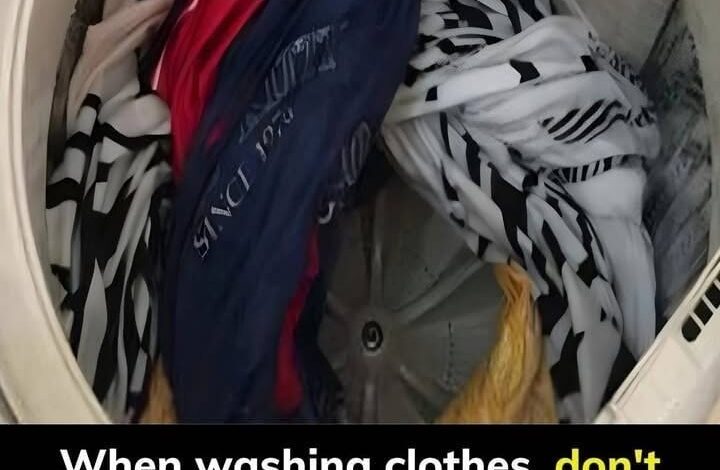
Many people notice that clothes washed frequently in a washing machine can lose their quality faster than expected. Fabrics may become thin, stretched, faded, or even torn after repeated washes. This can happen with shirts, pants, underwear, towels, and delicate garments, especially when they are washed too often or placed in the machine without proper care. While washing machines are convenient and save a lot of time, their cleaning action is much stronger than hand washing. The spinning, tumbling, pulling, and rubbing inside the drum create mechanical force that can gradually weaken fabric fibers.
No matter what type of washing machine is used, some amount of fabric wear is natural. During each wash cycle, clothes rub against the drum, against the water flow, and against each other. Over time, this friction can cause small fibers to break down. Delicate fabrics, thin cotton, lace, knits, and older clothing are especially vulnerable because their material is not as strong as heavier fabrics. Even durable clothes can begin to show signs of damage if they are washed carelessly again and again.
One of the biggest reasons clothes get damaged in the washing machine is overloading. When too many garments are packed into the drum, there is not enough space for them to move freely. Instead of washing smoothly, the clothes become pressed tightly together. As the drum spins, the garments pull, stretch, and twist against one another. This increases friction and can cause seams to loosen, collars to stretch, buttons to pull, and weaker fabrics to tear. Overloading can also prevent detergent and water from circulating properly, meaning the clothes may not even get fully clean.
Another common mistake is putting clothes into the machine without arranging them properly. Many people simply throw everything in at once, but this can cause garments to wrap around each other during the wash. Long sleeves, pant legs, straps, drawstrings, and lightweight fabrics can twist together into tight knots. When the machine spins, these tangled clothes are pulled with force, which can lead to stretching, distortion, and tearing. This is why it is helpful to shake out clothing before placing it in the drum and to separate large, heavy items from smaller or delicate pieces.
Sorting clothes correctly can also reduce damage. Heavy items such as jeans, jackets, and towels should not always be washed together with thin shirts, soft fabrics, or delicate clothing. The heavier items can rub harshly against lighter fabrics and cause them to wear out faster. Zippers, hooks, and metal buttons can also scrape against other garments, so it is better to zip zippers, fasten hooks, and turn certain clothes inside out before washing. Using laundry bags for delicate items is another simple way to protect them.
Some people suggest placing two clean plastic water bottles inside the washing machine as a practical trick to reduce tangling and friction. As the drum turns, the bottles move along with the clothes and may help create more space between garments. In theory, this can act like a buffer, preventing clothes from twisting tightly together and reducing direct fabric-to-fabric rubbing. The bottles can help separate clothing during the cycle, making it less likely for sleeves, straps, or thin fabrics to knot around heavier items.
However, this method should be used carefully. The bottles should be clean, empty, tightly closed, and smooth, without sharp edges or loose labels that could come off during washing. They should also be lightweight enough not to damage the drum or make loud banging noises. It is best to avoid using hard, heavy, or cracked bottles, as these could create more problems than they solve. This trick may be more suitable for regular clothing loads, not for delicate fabrics, bulky blankets, or very high-speed wash cycles.
In addition to using bottles, there are other simple ways to protect clothes from damage. Avoid filling the washing machine completely; leaving enough room for clothes to move freely can greatly reduce strain on the fabric. Choose a gentle cycle for delicate items, use cold or lukewarm water when appropriate, and avoid using too much detergent, since excess detergent can leave residue that stiffens fabric. Turning clothes inside out can help protect prints, colors, and outer surfaces from friction. For very delicate or expensive garments, hand washing may still be the safest choice.
Clothing damage during machine washing cannot always be avoided completely, but it can be reduced with better habits. Overloading the drum, mixing heavy and delicate clothes, ignoring tangles, and washing everything on harsh settings can shorten the life of your clothes. By loading the machine properly, giving garments enough space, separating fabrics, and using protective tricks such as laundry bags or clean plastic bottles, you can help reduce friction and keep clothes looking better for longer.
In the end, washing machines are useful, but they should be used with care. A few small changes in the way clothes are loaded and washed can make a big difference. Instead of letting garments twist, stretch, and rub harshly against one another, proper washing habits can help protect fabric, prevent tearing, and extend the life of your favorite clothes.