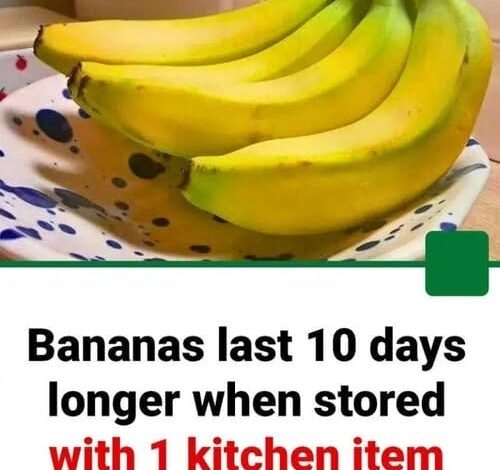
Most of the time, bananas do not spoil quickly because there is something wrong with the bananas themselves. The real problem is usually where they are stored and what they are stored beside. Bananas are naturally delicate when it comes to ripening, and they react strongly to ethylene, a natural gas released by many fruits as they mature. Ethylene helps fruit ripen, but too much of it can speed the process up much faster than expected.
This is why bananas often turn brown so quickly when they are placed in a mixed fruit bowl. Apples, avocados, pears, peaches, and some other fruits release ethylene as they ripen. When bananas sit close to these fruits, they absorb the extra ripening gas and begin to soften, spot, and darken sooner than planned. What looks like a harmless fruit bowl on the kitchen counter can actually shorten the bananas’ fresh stage by several days.
Bananas also release ethylene from their own stems. That is why a bunch can sometimes seem to ripen all at once. Once the process begins, it spreads quickly through the fruit. The peel turns from green to yellow, then develops brown spots, and before long the bananas become soft and overly ripe. While overripe bananas are still useful for smoothies, pancakes, or banana bread, they may not be what you want for everyday snacking.
A few simple storage habits can help slow the ripening process. First, keep bananas away from other fruits, especially apples, pears, and avocados. Give them their own space on the counter where air can circulate around them. Avoid placing them in a closed bag or warm, crowded corner, because trapped heat and gas can make them ripen even faster.
It is also better to keep bananas together in a bunch until you are ready to eat them. Separating them too early can sometimes cause them to ripen unevenly. Another useful trick is to wrap the stems tightly with plastic wrap or aluminum foil. Since much of the ethylene is released from the stem area, covering it can help slow down the ripening process. For even better results, you can wrap the whole bunch or wrap each banana stem individually after separating them.
Temperature also matters. Bananas should usually stay at room temperature while they are still green or not fully ripe. Putting unripe bananas in the refrigerator too early can interrupt their normal ripening and affect texture. But once they reach the perfect yellow stage, the refrigerator can help extend their life. The peel may turn brown or even dark, but that does not mean the fruit inside has gone bad. In many cases, the banana itself will stay sweet, firm, and ready to eat for several more days.
If bananas become too ripe before you can use them, they do not have to be wasted. Peel them, slice them, and freeze them in a sealed bag or container. Frozen bananas are great for smoothies, baking, oatmeal, and homemade frozen treats. This is an easy way to save money and avoid throwing away fruit that simply ripened faster than expected.
In the end, keeping bananas fresh for longer is mostly about controlling exposure to ethylene and temperature. Store them away from other fruits, keep them in a bunch, wrap the stems, and move them to the refrigerator once they are fully ripe. These small steps can make a big difference, helping bananas stay fresh, sweet, and useful for much longer than they would in a crowded fruit bowl.