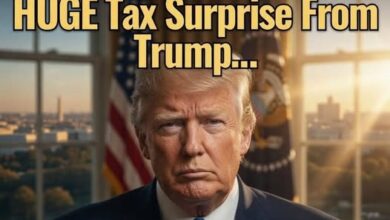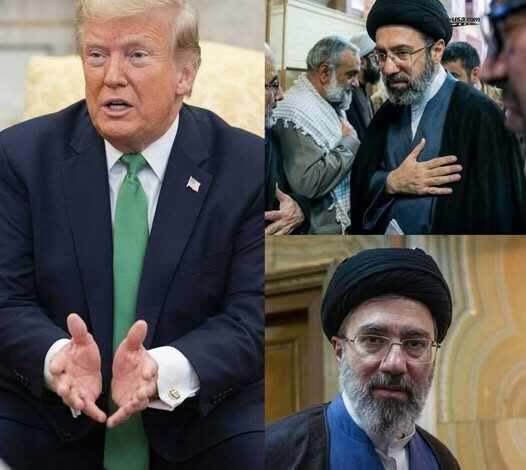
President Donald Trump said he believes the United States and Iran could reach an agreement within the next week to extend the current ceasefire and reopen the strategically important Strait of Hormuz, a waterway that plays a critical role in global energy movement and regional security.
Speaking about the ongoing negotiations, Trump suggested that both sides may be closer to a temporary understanding than many observers expected. While he did not provide full details of the proposed arrangement, his comments pointed to a possible deal that would keep the ceasefire in place, reduce the immediate risk of renewed conflict, and allow commercial traffic to resume through one of the world’s most sensitive maritime corridors.
The Strait of Hormuz has long been a flashpoint in tensions between Iran, the United States, and regional allies. Any disruption there can quickly affect oil markets, shipping routes, and military calculations across the Middle East. Reopening the strait would therefore carry significance far beyond the immediate dispute, offering a potential signal that both Washington and Tehran are looking for a way to step back from escalation.
According to Trump, the next several days could be decisive. He framed the possible agreement as a practical step toward stability, though major questions remain about what each side would be required to do and how any commitments would be verified. Extending the ceasefire may require not only diplomatic assurances, but also coordination involving naval forces, regional governments, and international observers concerned about freedom of navigation.
For the United States, reopening the Strait of Hormuz would help calm energy markets and reassure allies that Washington remains committed to protecting key trade routes. For Iran, an agreement could provide an opportunity to reduce pressure, regain some diplomatic leverage, and signal that it is willing to engage under certain conditions.
Still, the path to a deal remains uncertain. Years of mistrust between the two countries have made even limited agreements difficult to sustain. Each side is likely to demand guarantees from the other, while domestic critics in both nations may argue that compromise would be a sign of weakness.
Trump’s remarks nevertheless suggest that negotiations are still active and that officials may be working behind the scenes to prevent the ceasefire from collapsing. Whether an agreement is reached within the next week will depend on whether both sides can turn broad statements of intent into specific, enforceable terms.
For now, the situation remains fragile. The ceasefire has created a narrow opening for diplomacy, but that opening could close quickly if either side believes the other is acting in bad faith. The coming days may determine whether the United States and Iran can move from temporary restraint toward a more stable arrangement, or whether the region returns to the brink of confrontation.