A stroke can happen suddenly, and when it does, every minute matters.
It occurs when blood flow to part of the brain is blocked or interrupted, or when bleeding occurs in or around the brain. Without a steady supply of oxygen-rich blood, brain cells can begin to suffer quickly. The effects may be immediate and life-changing, affecting movement, speech, vision, balance, memory, or thinking. That is why a stroke is always considered a medical emergency, not something to monitor casually or wait out at home.
Recognizing the warning signs can save a life. One of the most widely used reminders is B.E. F.A.S.T. The “B” stands for sudden balance problems. The “E” stands for sudden eye or vision changes. The “F” stands for facial drooping, especially on one side. The “A” stands for arm weakness or numbness. The “S” stands for speech difficulty, slurred words, confusion, or trouble understanding others. The “T” stands for time — time to call emergency services immediately.
Other symptoms can also occur, including sudden numbness or weakness on one side of the body, sudden confusion, trouble walking, dizziness, loss of coordination, or a severe headache with no known cause. Even if symptoms seem to improve, urgent medical evaluation is still important. Temporary symptoms may signal a transient ischemic attack, sometimes called a warning stroke, and should never be ignored.
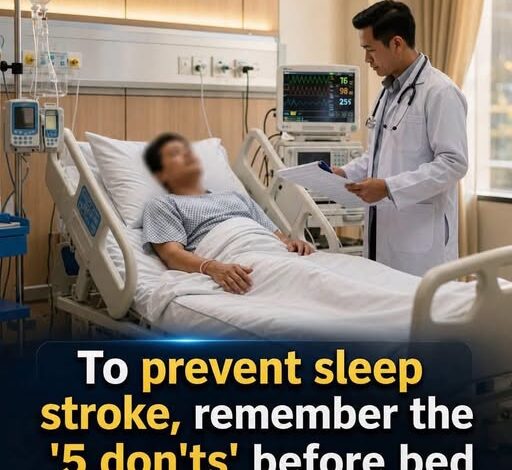
Some strokes happen during sleep. These are often called wake-up strokes because a person may go to bed feeling normal and wake up with weakness, confusion, facial drooping, speech problems, vision changes, or difficulty walking. One challenge with wake-up strokes is that it may be difficult to know exactly when the stroke began. That timing can matter because some treatments are time-sensitive. Even so, anyone who wakes up with possible stroke symptoms should seek emergency help immediately.
Researchers have long studied why some strokes are noticed in the early morning or after sleep. Several factors may play a role, including overnight blood pressure changes, sleep apnea, heart rhythm problems, dehydration, changes in blood clotting, and other underlying cardiovascular risks. These factors do not mean that every nighttime stroke can be predicted, but they do highlight the importance of managing overall health before an emergency occurs.
Many strokes are linked to risk factors that can be treated or reduced. High blood pressure is one of the most important. Diabetes, smoking, high cholesterol, obesity, physical inactivity, atrial fibrillation, heavy alcohol use, and untreated sleep apnea can also increase risk. Regular checkups, blood pressure monitoring, medication when prescribed, and honest conversations with a health care professional can make a meaningful difference over time.
Evening habits may also support better heart, brain, and metabolic health, though they should be understood as part of a broader lifestyle rather than guaranteed stroke prevention. After eating, it may help to remain upright instead of lying down immediately. A gentle walk after a meal can support digestion and may help with blood sugar control, especially for people who are managing diabetes or insulin resistance.
Eating very late at night may disrupt sleep or digestion for some people. Heavy meals close to bedtime can worsen reflux, discomfort, or poor sleep quality. Alcohol before bed may make a person feel sleepy at first, but it can interfere with deeper sleep and may worsen snoring or sleep apnea. For people at risk of stroke, sleep quality matters because poor sleep and untreated sleep disorders can place extra strain on the cardiovascular system.
Some people are also advised to be cautious about bathing immediately after a large meal, especially if they are older, prone to dizziness, or have blood pressure concerns. A hot bath can sometimes affect circulation and blood pressure. While this does not mean bathing after a meal directly causes stroke, it is reasonable for vulnerable individuals to avoid sudden temperature extremes or activities that make them feel lightheaded.
Consistent sleep is another important part of long-term health. Adults generally do best with a regular sleep routine and enough rest each night. Limiting caffeine later in the day, reducing screen exposure before bed, keeping a steady sleep schedule, and creating a calm nighttime routine may improve sleep quality. For people who snore heavily, wake up gasping, feel exhausted despite sleeping, or have been told they stop breathing during sleep, medical evaluation for sleep apnea may be especially important.
Stroke prevention is not built on one habit alone. It comes from a combination of awareness, early action, medical care, and daily choices that support blood vessels, heart rhythm, blood pressure, sleep, and metabolism. Healthy meals, regular movement, not smoking, limiting alcohol, managing stress, and following treatment plans can all contribute to lower risk.
But prevention begins with recognition. If someone suddenly develops facial drooping, arm weakness, speech trouble, balance problems, vision changes, confusion, or severe unexplained headache, do not wait to see if it passes. Call emergency services right away.
A stroke can change a life in minutes. Knowing the signs, acting quickly, and caring for risk factors before a crisis can help protect not only the brain, but the future that depends on it.