Why Morning Breath Happens
Bad breath can affect confidence, especially first thing in the morning. Many people experience an unpleasant odor after waking up, even when they brush their teeth regularly.
This condition is commonly known as halitosis. It affects millions of people and can be frustrating when it becomes part of a daily routine.
The good news is that morning breath can often be reduced with simple lifestyle habits. Small changes in hydration, oral care, diet, and dental routines can make a noticeable difference.
Bad breath is often connected to bacteria in the mouth. These bacteria can build up overnight, especially when saliva production slows during sleep.
Saliva plays an important role in keeping the mouth clean. It helps wash away food particles, supports oral freshness, and reduces the conditions that allow odor-causing bacteria to multiply.
When the mouth becomes dry, bad breath may become stronger. That is why a consistent daily routine is important for anyone who wants to wake up with fresher breath.
Stay Hydrated Throughout the Day
One of the simplest ways to help prevent bad breath is to drink enough water. Dehydration can lead to dry mouth, and dry mouth can reduce the natural flow of saliva.
When saliva levels are low, food particles and bacteria may remain in the mouth longer. This can create unpleasant odors, especially after several hours of sleep.
Drinking water throughout the day helps support a cleaner mouth. It also helps rinse away particles that may otherwise contribute to odor.
A small amount of water before bedtime may also help some people feel fresher in the morning. The goal is not to drink too much before sleep, but to avoid going to bed with a dry mouth.
Chewing sugar-free gum can also help encourage saliva production. This can be useful during the day, especially after meals or when the mouth feels dry.
Sucking on ice cubes may also stimulate saliva and provide a refreshing feeling. For people who often deal with dry mouth, these small habits may offer some relief.
However, persistent dry mouth should not be ignored. If dryness happens regularly or feels severe, it is wise to speak with a healthcare professional.

Choose Sugar-Free Gum Instead of Sugary Mints
Many people reach for mints when they notice bad breath. While mints may provide a quick fresh taste, they are not always the best choice.
Some mints contain sugar, and sugar can feed bacteria in the mouth. Over time, this may make odor problems worse instead of solving them.
Sugar-free gum is often a better option for freshening breath. It helps improve the feeling of freshness while also encouraging saliva flow.
More saliva means the mouth can better clear away food particles and reduce acids. This creates a cleaner environment and may help reduce bad breath.
Chewing sugar-free gum after meals can be especially helpful when brushing is not possible. It should not replace brushing or flossing, but it can support better oral freshness between regular cleaning routines.
The benefit of sugar-free gum is that it works in more than one way. It freshens the mouth while also helping the body’s natural cleaning process through saliva.
Schedule Regular Dental Visits
Even careful brushing and flossing may not reach every area of the mouth perfectly. Some spaces are difficult to clean at home, especially around the gumline and between teeth.
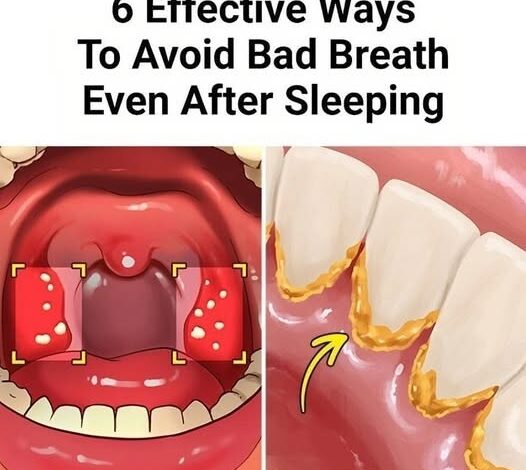
Over time, plaque can build up in these areas. If plaque hardens into tartar, it usually cannot be removed with regular brushing alone.
Tartar buildup can contribute to gum problems. Gum disease is one of the common causes of persistent bad breath.
Regular dental visits help remove tartar before it becomes a bigger issue. Professional cleanings can reach areas that daily brushing may miss.
Dental check-ups also help identify possible problems early. Cavities, gum irritation, and other oral health concerns may contribute to bad breath if they are left untreated.
A steady dental care routine is an important part of keeping breath fresh. It also supports long-term oral health and helps prevent issues from developing silently.
For people who brush and floss but still notice bad breath, a dental visit may be especially useful. The cause may be in an area that is not easy to see or clean at home.
Brush, Floss, and Clean Your Tongue Before Bed
A strong nighttime oral care routine is one of the most important steps for preventing morning breath. The mouth goes several hours without food, drink, or normal daytime saliva flow while a person sleeps.
Brushing before bed helps remove food particles and bacteria. Fluoride toothpaste can also support tooth health while cleaning the mouth.
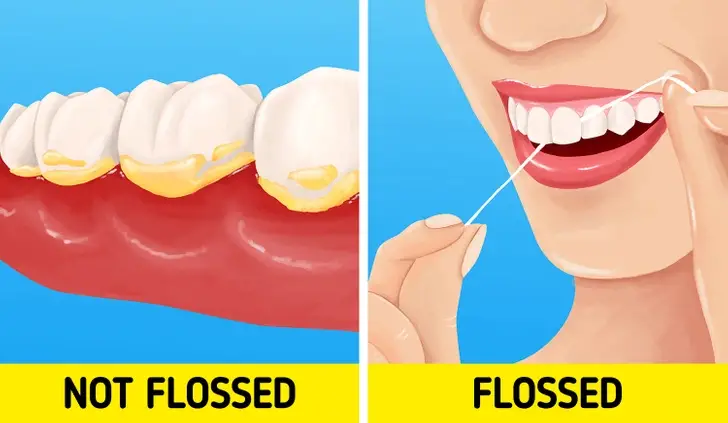
Flossing is just as important. Food debris can remain trapped between teeth, where a toothbrush may not reach well.
If that debris stays in place overnight, it can contribute to odor by morning. Flossing before sleep reduces the amount of material available for bacteria to break down.
The tongue should also be cleaned as part of the routine. The surface of the tongue can hold bacteria and residue that cause bad odors.
Many people brush their teeth carefully but forget their tongue. This can leave behind one of the main sources of unpleasant breath.
An alcohol-free mouthwash can add another layer of freshness. Choosing an alcohol-free option may be helpful because alcohol-based rinses can sometimes leave the mouth feeling dry.
The most effective routine is consistent. Brushing, flossing, tongue cleaning, and rinsing before bed can all work together to reduce morning odor.
Pay Attention to Foods That Affect Breath
Diet can also play a role in bad breath. Certain foods are known for creating strong odors that linger long after a meal.
Garlic and onions are common examples. Their odors can remain in the mouth and may contribute to unpleasant breath later in the day or the next morning.
People following low-carb diets may also notice a change in their breath. This can happen because the body produces ketones, which may be released through the breath.
Bad breath connected to diet can often be reduced by paying attention to food choices. Cutting back on foods that create strong odors may help improve freshness.
Adding certain foods may also support a cleaner feeling in the mouth. Leafy greens, avocados, and nuts can be included in meals as part of a breath-conscious diet.
These foods may help neutralize odors naturally. They can also be part of a balanced eating pattern that supports better overall wellness.
Diet changes do not need to be extreme. For many people, simply noticing which foods cause odor and adjusting meal choices can make a difference.
Do Not Ignore Tonsil Stones
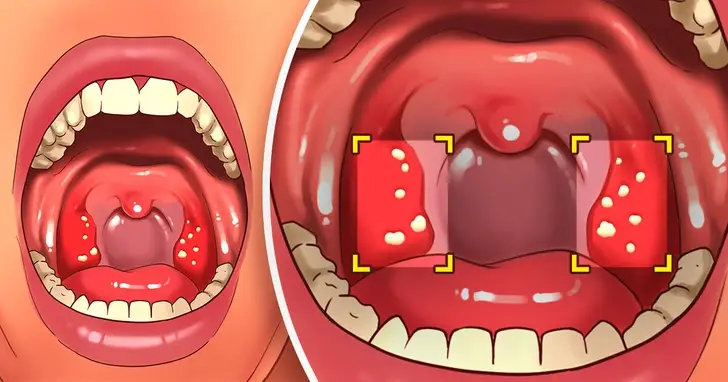
Tonsil stones are another possible cause of bad breath. Many people overlook them because they are not always easy to see.
These small hardened deposits can form in the crevices of the tonsils. They are made up of bacteria and food particles.
Tonsil stones are not usually harmful, but they can create persistent unpleasant odors. For some people, they may be one of the hidden reasons bad breath keeps returning.
Good oral hygiene can help reduce the chance of tonsil stones forming. Brushing, flossing, and cleaning the tongue all support a cleaner mouth.
Gargling with salt water may also help. This simple habit can keep the throat and tonsil area cleaner and may reduce buildup.
If tonsil stones keep coming back, it is best to speak with a dentist or doctor. Recurring problems may need professional advice, especially when bad breath does not improve with regular care.
Addressing tonsil stones can be an important step for people who have tried other methods without success. Sometimes the source of the odor is not the teeth, but the tonsil area.
Building a Fresh-Breath Routine
Bad breath does not have to be accepted as a normal part of every morning. With the right habits, many people can reduce odor and wake up feeling more comfortable.
The most important steps are simple. Drink enough water, use sugar-free gum when needed, keep up with dental visits, and clean the mouth carefully before bed.
Diet also matters. Reducing odor-causing foods and including foods such as leafy greens, avocados, and nuts may help support fresher breath.
Tonsil stones should also be considered when bad breath seems persistent. They may be small, but they can cause strong odors that regular brushing alone may not solve.
Fresh breath is connected to daily consistency. A single habit may help, but a full routine gives the best chance of long-term improvement.
Hydration supports saliva. Brushing and flossing remove debris. Tongue cleaning targets bacteria. Dental visits help manage plaque and tartar. Together, these habits create a stronger foundation for oral freshness.
Final Thoughts
Morning bad breath can be uncomfortable, but it is often manageable. Simple lifestyle adjustments can make a meaningful difference in how the mouth feels after waking up.
Staying hydrated, choosing sugar-free gum, and maintaining strong oral hygiene are practical ways to help prevent bad breath. These steps are easy to add to a daily routine and can support better confidence.
Regular dental care, mindful eating habits, and attention to tonsil stones provide additional support. When these areas are addressed together, the chances of waking up with fresher, cleaner breath can improve.
Better breath begins with consistent care. By making these changes part of everyday life, it is possible to support both oral health and personal confidence.