Why Your Clothes Keep Getting Tiny Holes — The Surprising Laundry Mistake That Could Be Destroying Your Wardrobe

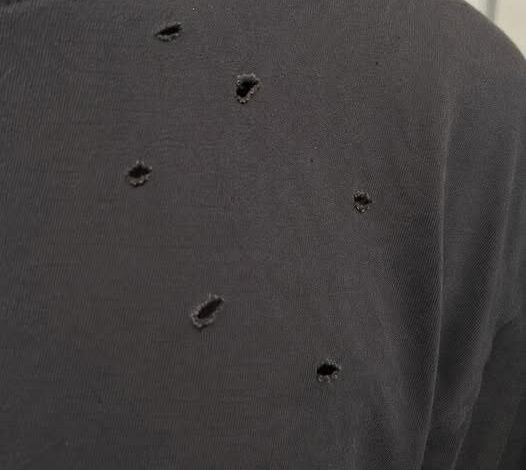
Those tiny, mysterious holes that suddenly appear in T-shirts, knits, and other soft clothing are often not as mysterious as they seem. In many cases, they are the result of slow, repeated damage caused by everyday washing and drying. A shirt may look perfectly fine going into the laundry, but after being pulled, rubbed, twisted, heated, and tossed around again and again, the fibers can weaken until small holes finally begin to show.
One of the biggest causes is friction. In top-loading washing machines, especially those with agitators, clothing can get wrapped, stretched, and yanked during the wash cycle. Lightweight fabrics are especially vulnerable because they do not have the same strength as heavier materials. Front-loading machines may be gentler in some ways, but they can still cause garments to rub against each other as they tumble. Over time, that constant movement can wear down delicate fibers, particularly in areas that already experience stress, such as the front of shirts, hems, sleeves, and waistlines.
The problem becomes worse when clothes are washed with items that have rough or sharp details. Open zippers, jean buttons, bra hooks, metal snaps, and other fasteners can scrape against softer fabrics during the cycle. What seems like a harmless pair of jeans or a jacket with hardware can act almost like sandpaper inside the machine. A soft cotton T-shirt, thin sweater, or delicate knit may not tear immediately, but repeated contact with rough surfaces can weaken the material until tiny holes appear.
Overloading the washer adds even more damage. When the drum is packed too tightly, clothes do not have enough room to move freely. Instead, they press, twist, and grind against each other. This creates extra strain on seams and fibers, making small tears more likely. Clothing also may not rinse properly when the washer is too full, leaving detergent residue behind that can make fabrics feel stiff or worn over time.
The dryer can finish the damage that the washer started. High heat weakens fibers, shrinks fabrics, and makes already-stressed clothing more fragile. When delicate items are exposed to repeated hot drying cycles, they can lose elasticity and strength. A garment that has been rubbed or stretched in the wash may then become even more vulnerable in the dryer, especially if it is tossed around with heavier items like jeans, towels, or sweatshirts.
The good news is that preventing these mystery holes does not require anything complicated. Small changes in laundry habits can make a big difference. Turning garments inside out helps protect the outer surface from friction. Closing zippers, fastening buttons, and hooking bras before washing reduces the chance of sharp edges catching on fabric. Separating heavy items from lighter ones keeps delicate clothing from being crushed or scraped. Mesh laundry bags can also give extra protection to thin shirts, knits, lingerie, and other fragile pieces.
It is also important not to cram too many clothes into the washer. Giving garments enough space allows them to move properly and reduces unnecessary rubbing. Using a gentle cycle for delicate fabrics can help, and lowering the dryer temperature can prevent fibers from becoming weak and brittle. Air-drying especially delicate or favorite pieces is even better when possible.
In the end, those tiny holes are usually not caused by one dramatic accident. They are the result of many small moments of stress that gradually break down the fabric. By washing clothes more carefully, separating items properly, reducing heat, and protecting delicate garments, you can stop much of the damage before it starts. These simple habits can help your clothes last longer, keep your favorite pieces looking newer, and save you from wondering why another perfectly good shirt suddenly has holes in it.