In today’s celebrity-driven digital culture, public figures are rarely seen in isolation. Every appearance, photograph, interview, performance, and casual public moment can be captured, shared, and analyzed almost instantly. Social media has made this attention continuous. What once might have been a private moment or a passing expression can now become the subject of widespread commentary within minutes.
From the outside, fame can appear glamorous. It is often associated with success, wealth, admiration, and influence. However, constant visibility can also create intense psychological pressure. Celebrities are expected to look polished, perform confidently, and remain emotionally composed even while facing demanding schedules, personal challenges, and public criticism. Over time, this pressure can affect both mental and physical well-being.
Stress is not only an emotional condition. It is also a biological response. When a person experiences stress, the body releases hormones such as cortisol and adrenaline. These hormones help prepare the body to respond to pressure or danger. In short bursts, this response can be useful. But when stress becomes frequent or prolonged, it can contribute to fatigue, disrupted sleep, appetite changes, reduced energy, and physical tension. In some cases, these effects may become visible, though they differ greatly from person to person.
The Demands of Life in the Public Eye
For internationally known entertainers, daily life often involves far more than the performances audiences see. Touring, rehearsals, recording sessions, interviews, brand commitments, promotional events, and travel can create a demanding schedule with little time for recovery. Even when a celebrity appears briefly on stage or online, that moment may be the result of days or weeks of preparation, travel, and pressure.
Frequent movement across cities and time zones can also disrupt the body’s natural rhythm. The circadian rhythm, which helps regulate sleep, energy, digestion, and alertness, depends on consistency. When sleep schedules change constantly, the body may struggle to recover properly. Poor sleep can then affect mood, concentration, immune function, and overall appearance.
Irregular meals, long workdays, public scrutiny, and limited privacy can add to the strain. These challenges are common in the entertainment industry, but they are not exclusive to celebrities. Similar patterns can affect people who work night shifts, travel often, manage high-pressure jobs, or live under constant stress.
How Stress Can Affect Appearance
Stress can influence the body in several visible ways. It may contribute to tired-looking eyes, changes in skin condition, shifts in weight, muscle tension, or facial expressions that reflect exhaustion. However, none of these signs should be treated as proof of a specific health problem.
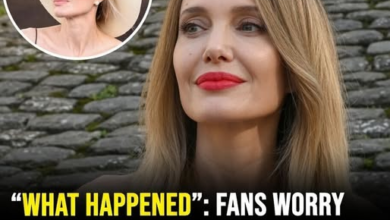
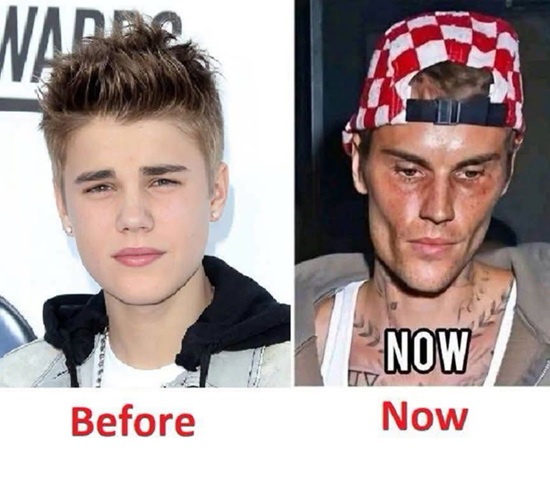
A person’s appearance can change for many normal reasons. Aging, hydration, lighting, makeup, camera quality, posture, travel fatigue, and emotional state can all affect how someone looks in a particular photograph or video. A single image rarely tells the full story.
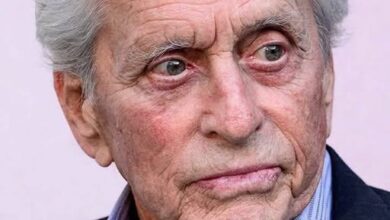
Facial appearance also changes naturally over time. As people move through adulthood, subtle shifts in facial structure, skin texture, and fat distribution are common. These changes are part of normal biology, but when they happen to a public figure, they are often examined more harshly than they would be for an ordinary person.
This is especially important in the age of screenshots and short clips. A celebrity may be judged based on one unflattering angle, one tired expression, or one moment taken out of context. Without background information, viewers may assume something is wrong when the explanation could be simple and ordinary.
Social Media and the Spread of Speculation
Social media has made it easier than ever for speculation to spread. A short video, a cropped photo, or a dramatic caption can travel quickly across platforms. Often, these posts are shared without context, verification, or concern for how they may affect the person being discussed.
One common problem is “armchair diagnosis.” This happens when people attempt to identify medical or psychological conditions based only on someone’s appearance. Medical professionals caution against this because real diagnosis requires proper evaluation, history, testing, and context. A person’s face, body, or behavior in a single public moment is not enough to determine their health.
Algorithms can make this problem worse. Content that sparks fear, shock, or controversy often receives more engagement, which can cause speculative posts to spread faster than careful explanations. The more dramatic the claim, the more likely it may be shared, even when there is no reliable evidence behind it.
This creates an environment where public figures can become the subject of rumors simply because they look tired, thinner, older, stressed, or different than expected.
Why Fans Become Concerned
Fans often form strong emotional connections to celebrities. Songs, movies, performances, interviews, and public moments can become tied to personal memories. Because of this, fans may feel genuine concern when someone they admire appears different or seems unwell.
This concern is understandable. It often comes from care rather than judgment. However, concern can easily turn into speculation when people begin making assumptions without verified information. There is an important difference between hoping someone is okay and publicly guessing about their health.
Appearance can change for many reasons, including work demands, personal stress, lifestyle changes, recovery, aging, illness, or simply a difficult day. Without a statement from the individual or a reliable source, any conclusion remains uncertain.
The Importance of Responsible Media Consumption
Responsible media consumption means approaching online content with caution and empathy. Before accepting or sharing claims about a celebrity’s health, it is important to consider where the information came from. Verified statements, credible reporting, and direct comments from the person involved carry far more weight than anonymous posts or edited clips.
Media literacy also means understanding that images are not neutral. Photos can be affected by lighting, angles, filters, editing, compression, timing, and selection. A person may appear dramatically different from one image to another depending on how and when the picture was taken.
Respecting privacy is also essential. Public figures may share parts of their lives with audiences, but they do not owe the public full access to their medical history, personal struggles, or private recovery. Fame does not remove a person’s right to dignity.
Human Health Is Complex
Human bodies respond to stress in different ways. Some people may gain weight during difficult periods, while others may lose weight. Some may experience skin changes, fatigue, or changes in posture and expression. Others may show very few visible signs at all. Genetics, sleep, nutrition, mental health, environment, workload, and medical history all play a role.
Because of this complexity, it is misleading to judge someone’s health from appearance alone. A person can look tired without being seriously ill. A person can look healthy while privately struggling. Visible appearance is only one small part of a much larger picture.
Health should be understood as a combination of physical, emotional, social, and environmental factors. Reducing it to a single photograph or online rumor ignores that complexity.
A More Compassionate View of Fame
Celebrity culture often encourages people to treat public figures as images rather than human beings. Their faces, bodies, relationships, and personal changes become topics for entertainment and debate. But behind every public image is a person with limits, emotions, responsibilities, and private experiences.
Fame does not protect someone from stress, fatigue, illness, aging, grief, or pressure. In many cases, it magnifies those experiences by placing them under constant public observation. A difficult period that might remain private for most people can become a global conversation for someone in the spotlight.
A more compassionate approach begins with remembering that celebrities are not symbols of perfection. They are people whose lives include both success and struggle. Instead of focusing on speculation, audiences can choose to appreciate their work, respect their boundaries, and respond with empathy when concerns arise.
Final Reflection on Health, Media, and Respect
Discussions about celebrity health should be handled carefully. Curiosity is natural, especially when people feel connected to a public figure, but curiosity should not become careless speculation. Without verified information, assumptions about someone’s body, mind, or medical condition can be unfair and harmful.
Stress, demanding schedules, natural aging, and lifestyle changes can all affect appearance. Social media often strips away the context needed to understand those changes accurately. A single image or video rarely provides enough information to support serious conclusions.
Ultimately, the most responsible response is one rooted in empathy. Public figures may live in front of cameras, but they remain human beings deserving of privacy, patience, and respect. In a culture that reacts quickly and judges easily, choosing compassion is not only more accurate — it is more humane.