Electrical Safety at Home Becomes a Hidden Lifesaver When Proper Charger Use Is Taken Seriously Preventing Fires Damage

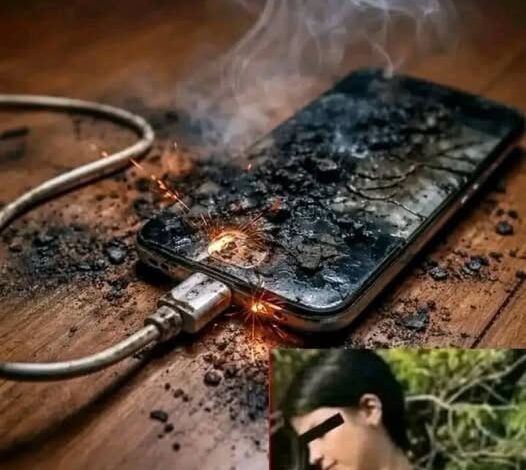
We live surrounded by chargers. They sit beside our beds, hang from kitchen outlets, disappear behind couches, and travel with us in bags, cars, and suitcases. They have become so ordinary that we rarely stop to think about them. A phone battery runs low, a tablet needs power, a laptop has to be ready for the next day, and we plug in without much thought. But the small block in the wall and the cable attached to it are doing more than simply sending electricity into a device. They are part of a safety system.
Genuine, certified chargers are designed to manage voltage, current, and temperature in controlled ways. They communicate with devices, regulate power flow, and include protections meant to reduce the risk of overheating, short circuits, and battery damage. A good charger does not just charge quickly; it charges safely. It helps protect the battery inside the device, the outlet in the wall, and the people living around it.
Counterfeit or cheaply made chargers often cut corners in exactly the places that matter most. They may look similar on the outside, but inside they can lack proper insulation, stable components, or reliable safety controls. Instead of delivering steady, regulated power, they may send unstable current into the battery. Over time, that stress can contribute to swelling, reduced battery life, sudden failure, or in the worst cases, fire. The danger is easy to overlook because the charger may seem to work at first. The phone lights up. The battery percentage rises. Everything appears normal until it is not.
Cables add another layer of risk. A frayed cord, cracked insulation, bent connector, or loose plug is not just inconvenient. It can expose wires, create heat, cause sparking, or lead to short circuits. Many people keep damaged cables far too long because they still “sort of work.” But a cable that only charges when twisted a certain way is already warning you that something is wrong. That small flicker, warm spot, or exposed section should not be ignored.
Our habits can be just as important as the hardware we use. Charging a phone on a bed, under a pillow, or buried in blankets traps heat around the device. Soft surfaces block airflow and allow warmth to build up. Leaving electronics plugged in for hours on cluttered furniture, piles of clothing, or bedding adds even more unnecessary risk. A device does not need to be visibly smoking to be under thermal stress. Heat can build quietly, especially overnight, when no one is watching.
Power strips and outlets deserve attention too. Overloaded strips, cheap multi-plug adapters, and extension cords used as permanent charging stations can create dangerous conditions. If an outlet feels warm, smells unusual, sparks when something is plugged in, or causes lights to flicker, that is a red flag. The same is true for plugs that sit loosely in the socket or chargers that become unusually hot during use. These signs are not annoyances to work around. They are warnings to stop using that outlet or device until the problem is checked.
Safe charging does not require fear. It requires awareness. Choose chargers from reputable brands or those certified for your device. Avoid suspiciously cheap replacements with no safety markings or unclear labeling. Replace damaged cables as soon as they show wear. Charge devices on flat, hard, ventilated surfaces such as a desk, counter, or nightstand. Keep them away from blankets, pillows, paper, clothing, and anything that can trap heat or catch fire easily.
It is also wise to unplug chargers when they are not in use, especially older ones or those that run warm. Do not ignore swollen batteries, strange smells, unusual heat, or devices that shut down unexpectedly while charging. Those are signs that something may be wrong internally. Continuing to use a damaged battery or unsafe charger can turn a small problem into a serious hazard.
The truth is that most charging routines feel harmless because nothing bad happens most of the time. But safety is built from the quiet habits we repeat every day. The charger you choose, the cable you keep or replace, the surface where you leave your phone overnight, and the outlet you trust all matter. Each choice either reduces risk or adds to it.
By using reliable chargers, replacing damaged cords promptly, avoiding soft surfaces, and paying attention to warning signs, you protect more than your devices. You protect your home, your belongings, and the people sleeping beside those glowing screens. In a world where electronics are always within reach, safe charging is one of the simplest ways to prevent a danger that often begins silently.