What if one of the most common daily habits wasn’t always the best choice for everyone? For many people, taking a shower every day feels like a natural part of staying clean, refreshed, and healthy. It’s a routine learned early in life and rarely questioned. However, as the years pass and our bodies change, some habits that once worked perfectly may need small adjustments. After the age of 65, many older adults notice that their skin, energy levels, and overall comfort respond differently to frequent bathing. This doesn’t mean personal hygiene becomes less important. Instead, it highlights the value of finding a routine that supports both cleanliness and long-term well-being. Understanding these changes can help people make simple choices that leave them feeling healthier, more comfortable, and better cared for every day.
One of the biggest reasons showering habits may change with age is the skin itself. As we grow older, the skin naturally becomes thinner and produces fewer protective oils. These oils play an important role in keeping skin soft, hydrated, and resilient. Frequent showers, especially those involving hot water or harsh soaps, can remove this natural protection faster than the body can replace it. Over time, this may lead to dryness, itching, or increased sensitivity. Because aging skin often takes longer to recover from irritation, many health experts recommend a gentler approach. Using mild cleansers, lowering water temperature, and reducing unnecessary bathing can help preserve comfort while still maintaining excellent hygiene.
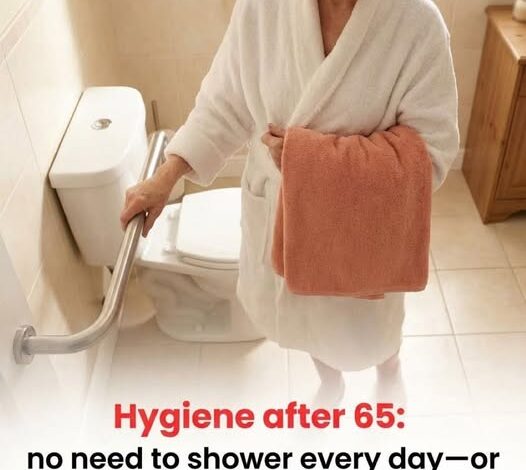
There are also practical reasons why some older adults choose to shower less often. Activities that once felt effortless can sometimes require more energy and balance than before. Standing in a shower, stepping over a tub edge, or navigating slippery surfaces may feel more challenging with age. For some people, spacing out showers allows them to conserve energy and feel more comfortable throughout the day. On days without a full shower, simple habits can still provide a strong sense of freshness. Washing the face and hands, changing into clean clothing, and focusing on key hygiene areas are often enough to maintain confidence and cleanliness without placing unnecessary strain on the body.
The most important lesson is that there is no single routine that fits everyone. Some people feel their best with daily showers, while others benefit from a less frequent schedule tailored to their needs. The goal is not to follow a strict rule but to pay attention to what the body is communicating. Small changes, such as choosing fragrance-free products, using lukewarm water, and applying moisturizer after bathing, can make a noticeable difference in comfort. Cleanliness should always support health rather than create discomfort. By adapting routines thoughtfully and staying flexible, older adults can continue enjoying excellent personal care while protecting their skin, conserving energy, and promoting overall well-being for years to come.