The Hidden Biological Trigger: Scientists Finally Uncover Why Some People Experience Heart Inflammation After COVID-19 Vaccination

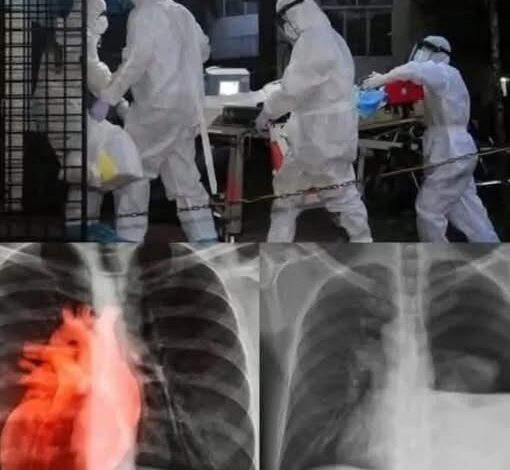
The medical community has been haunted by a persistent, unsettling mystery that has lingered since the rollout of mRNA vaccines: why do a tiny fraction of recipients experience sudden, unexplained heart inflammation? For years, this rare side effect has fueled uncertainty, but now, a groundbreaking discovery from Stanford University researchers has finally ripped away the veil. By peering into the deepest levels of our immune system, scientists have identified a specific, volatile biological pathway that acts as a fuse. It is a stunning, high-stakes revelation that doesn’t just explain the “why”—it could change the future of vaccine safety forever.
The study, which delves into the intricate mechanisms of myocarditis, suggests that the warning signs for this rare reaction were buried deep within the blood all along. Researchers began by comparing blood samples from a select group of patients who experienced heart inflammation following vaccination against those who remained entirely unaffected. What they discovered was a rare, heightened burst of specific immune signals—namely, CXCL10 and interferon-gamma. Under normal circumstances, these proteins are essential for mounting an immune defense, but in these rare cases, they appear to trigger an unintended, aggressive inflammatory cascade that targets heart tissue.
To validate this discovery, the team moved beyond simple observation and utilized advanced laboratory models, including human heart-like spheroids and mouse subjects. The results were startling. The researchers observed that macrophages and T cells, which are typically the body’s protectors, were essentially amplifying the immune response to a dangerous degree. This hyper-activation led to clear, measurable markers of cardiac injury and impaired muscle contraction, mimicking the symptoms observed in clinical cases of myocarditis. It was the biological equivalent of an immune system overreacting to a perceived threat, resulting in collateral damage to the heart.
Crucially, the study also provided a glimpse into how this reaction might be mitigated in the future. By intentionally blocking the CXCL10 and interferon-gamma pathways in their lab models, the researchers were able to significantly reduce inflammation. Perhaps most importantly, this intervention did not compromise the body’s general immune protection against the virus. This finding suggests that scientists may one day be able to develop “targeted therapies” or safer, next-generation mRNA platforms that maintain the high level of protection the world needs while precisely controlling—or silencing—these specific inflammatory pathways.
The researchers also explored the role of genistein, a compound naturally found in soy. While the lab results showed that genistein exhibited notable anti-inflammatory effects in these models, the scientists were quick to caution that this is not a recommended treatment for patients. It remains a scientific curiosity at this stage rather than a clinical solution, though it highlights the ongoing search for ways to dampen these localized immune overreactions.
It is vital to place these findings within the correct context. This research does not challenge the overwhelming scientific consensus regarding the safety and benefits of COVID-19 vaccination. Millions of people have received mRNA vaccines worldwide, and for the vast majority, the benefits far outweigh the risks. Instead, this study serves as a crucial advancement in medical science, sharpening our focus on the rare exceptions. By understanding why younger males are disproportionately vulnerable to this specific side effect, scientists are gaining the granular data needed to refine technology that will protect public health while minimizing rare, adverse outcomes.
This work marks a significant shift from reactive medicine to proactive prevention. As mRNA technology continues to evolve and finds applications in everything from cancer treatment to universal flu vaccines, the ability to predict and prevent immune-mediated side effects is becoming more essential than ever. The Stanford findings offer a blueprint for precision medicine: rather than viewing the immune system as a black box, researchers are beginning to treat it as a complex network of signaling pathways that can be tuned, redirected, and protected.
The path forward is clear. By identifying these “high-risk” immune signals, the pharmaceutical industry and public health officials can begin to develop screening tools or adjust vaccine formulations to ensure that the body’s defensive reaction is strong enough to provide immunity but gentle enough to prevent inflammation. The goal is to move toward a future where vaccine safety is not just high, but surgically precise.
This mystery, which for so long seemed like an impenetrable barrier to understanding, has finally been dismantled. The Stanford study provides a tangible, biological answer to a question that has caused significant public anxiety. As we look ahead, the lessons learned from these rare cases of myocarditis are likely to inform the next generation of medical innovation. We are witnessing the maturation of vaccine science, where the focus is no longer just on effectiveness, but on the delicate balance of how our biology interacts with the very tools designed to save our lives. While the journey to creating perfectly calibrated vaccines is ongoing, this discovery provides a powerful, evidence-based roadmap for researchers determined to bridge the gap between universal protection and individual safety.