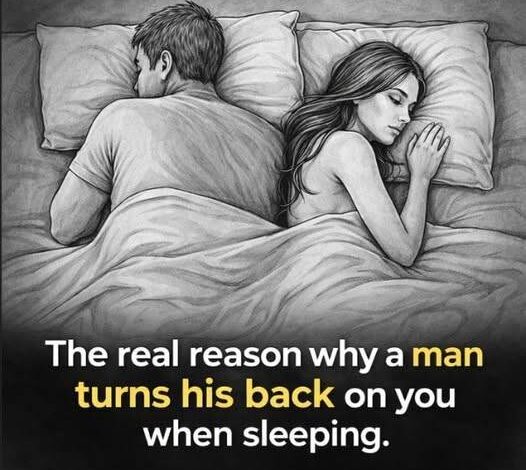
If your partner turns their back on you while sleeping, it can be easy to wonder what it means. At first glance, it may feel distant, cold, or even emotionally symbolic. Many people notice small changes in nighttime habits and immediately start questioning whether something deeper is happening in the relationship. But in most cases, a partner sleeping with their back turned is not a sign of rejection. It is usually about comfort, habit, body temperature, or simply the way they naturally relax during sleep.
Sleep positions can feel meaningful because bedtime is often associated with closeness. Couples may cuddle, talk quietly, hold hands, or share the peaceful end of the day together. So when one person rolls away, it can sometimes feel personal, especially if the other partner is craving affection or reassurance. However, sleep is also a physical need, and once the body becomes tired, comfort often takes priority over emotional symbolism.
Many people sleep facing away from their partner because that position helps them rest better. They may breathe more easily on one side, avoid overheating, reduce pressure on their shoulder or hip, or feel less restricted. Some people simply cannot fall asleep while facing another person because they feel too warm, too close, or too aware of movement and breathing. Turning away may be the body’s way of settling into rest, not the heart’s way of creating distance.
In fact, sleeping back-to-back can sometimes reflect security rather than disconnection. Some relationship experts and body-language observers describe this position as a sign that both partners feel comfortable enough to rest independently while still sharing the same space. It can suggest trust, routine, and emotional ease. The couple does not need to cling all night to feel connected. They can be close without needing constant physical contact.
That said, context matters. A sleep position by itself rarely tells the whole story. If your partner has always slept facing away, there is probably no reason to worry. It may simply be their preferred sleeping style. But if the behavior appears suddenly and is paired with emotional distance during the day, less communication, irritability, avoidance, or reduced affection, then the sleeping position may feel more meaningful because it is part of a larger pattern.
For example, if your partner used to cuddle every night and now consistently turns away immediately, avoids conversation, and seems withdrawn, it may be worth gently checking in. The issue may not be the sleep position itself, but the emotional change happening around it. Sometimes people carry stress, anxiety, resentment, exhaustion, or personal worries into bed without knowing how to explain them. Rolling away may be less about the relationship and more about feeling overwhelmed.
It is also important not to jump to conclusions. A partner turning their back does not automatically mean they are angry, losing interest, hiding something, or pulling away emotionally. Assuming the worst can create tension where none existed before. Instead of interpreting the position as a silent message, it is healthier to look at the overall relationship. Are you communicating well? Do you still show affection during the day? Do you feel respected and valued? Are there unresolved conflicts that need attention?
If the sleeping position bothers you, the best response is not accusation but conversation. You might say something gentle like, “I know it may just be how you sleep, but sometimes when you turn away quickly at night, I feel a little disconnected. Can we cuddle for a few minutes before sleeping?” This approach expresses your feelings without blaming your partner. It also gives them a chance to explain their needs.
Many couples find a simple compromise. They may cuddle before falling asleep, then separate into comfortable positions for the night. Some hold hands for a few minutes, exchange a goodnight kiss, or spend time talking before turning over. These small rituals can create emotional closeness while still allowing both people to sleep comfortably.
Physical comfort should not be underestimated. Sleep quality affects mood, patience, health, and relationship satisfaction. If one partner feels forced to sleep in an uncomfortable position just to prove affection, resentment can build. Healthy intimacy does not require sacrificing rest. A strong relationship allows both closeness and comfort to exist together.
It is also worth remembering that people move during sleep without thinking. A partner may begin the night facing you and later turn away while asleep. That movement has no emotional meaning. The body naturally shifts to relieve pressure, regulate temperature, and stay comfortable. Reading too much into unconscious movement can lead to unnecessary worry.
The meaning of a sleeping position also depends on the couple’s normal patterns. Some couples love sleeping tangled together. Others prefer separate sides of the bed. Some sleep in different positions throughout the night. Some even sleep in separate beds or rooms because of snoring, schedules, temperature preferences, or health reasons, while still having loving and committed relationships. There is no single “correct” way for couples to sleep.
What matters most is not whether your partner faces you all night. What matters is how they treat you when they are awake. Do they listen to you? Do they show care? Do they make time for you? Do they respect your feelings? Do they communicate when something is wrong? These are much stronger signs of relationship health than the direction someone faces while sleeping.
If your partner turning away leaves you feeling lonely, it may also be helpful to ask yourself what you are really needing. Sometimes the issue is not the position itself, but a desire for reassurance, affection, or emotional closeness. Once you understand that need, you can express it more clearly. Instead of saying, “You always turn away from me,” you might say, “I miss feeling close to you at night.”
That kind of honesty can strengthen a relationship. It opens the door to understanding rather than defensiveness. Your partner may not realize the position affects you emotionally. They may explain that they turn away because of back pain, heat, habit, or sleep comfort. Once both people understand each other, the situation usually feels less personal.
There are times, however, when the sleeping position may reflect emotional distance. If your partner avoids touch completely, refuses to talk, seems resentful, or uses physical distance as a way to punish or reject you, then the issue deserves attention. In those cases, the sleep position is not the problem by itself. It is a symptom of a deeper communication or intimacy concern.
The healthiest response is to address the relationship directly. Ask what has changed. Share what you have noticed. Listen without immediately accusing. If both partners are willing, honest conversation can uncover stress, hurt feelings, or unmet needs before they grow into larger problems.
In most relationships, though, turning away during sleep is harmless. It usually means your partner is tired, comfortable, and settling into a position that helps them rest. It does not erase love. It does not cancel affection. It does not automatically signal trouble.
Sometimes, love looks like cuddling all night.
Sometimes, love looks like sharing the same bed while each person sleeps in the position that lets them wake up rested.
Sometimes, love is a goodnight kiss, a hand squeeze, and then two people turning in opposite directions because one is too warm and the other needs space to breathe.
The key is not to overanalyze every movement. Pay attention to the bigger picture. A strong relationship is built through communication, trust, patience, respect, and care during waking life. Sleep positions may offer small clues, but they should never replace honest conversation.
So if your partner turns their back on you while sleeping, try not to panic. Most of the time, it is simply comfort, habit, or sleep preference. If everything else in the relationship feels loving and stable, there is probably nothing wrong. If the change comes with emotional distance or unresolved tension, use it as a gentle invitation to talk, not as proof of a problem.
In the end, healthy love is not measured by which direction someone faces at night. It is measured by how they show up for you, how they communicate, how they respect your feelings, and how willing both of you are to understand each other with kindness.