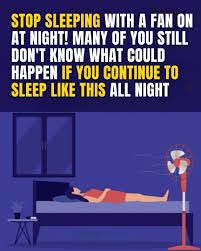
For years, I couldn’t fall asleep without the low hum of a fan beside my bed. The sound was steady, familiar, and comforting, almost like a small nightly ritual that told my brain it was finally safe to shut down. After long, stressful days, that gentle rush of air felt like white noise, blocking out traffic, creaking floors, distant voices, and the endless thoughts that always seemed louder in the dark. I thought the fan was helping me sleep better.
But recently, I started waking up groggy, dry-throated, and strangely unrested, even after spending eight full hours in bed. At first, I blamed stress. Then I blamed my mattress, my phone, and my late-night routine. Eventually, I began to wonder whether the one thing I trusted most in my bedroom might actually be part of the problem. Was my fan really helping me sleep, or was it quietly sabotaging my rest without me realizing it?
What I discovered about temperature, airflow, and sleep completely changed the way I set up my bedroom.
Sleep experts often explain that good rest is not only about how many hours you spend asleep. It is also about the quality of that sleep and whether your body can enter the deeper, more restorative stages it needs to repair, reset, and recover. These stages, including REM sleep and deep sleep, are affected by several factors, but one of the most important is temperature.
At night, your body naturally begins to cool down. This drop in core temperature helps signal that it is time to rest. A cooler room can support that process, which is why many experts recommend keeping the bedroom somewhere around 60 to 67°F, or 15 to 19°C. When the room is too warm, the body may struggle to cool itself, leading to tossing, sweating, and restless sleep. But when the room is too cold, the body may have to work harder to stay warm, which can also interrupt rest and leave you waking up stiff, tense, or uncomfortable.
That is where fans become complicated. On the surface, they seem like the perfect sleep solution. They create airflow, reduce stuffiness, and provide the soothing background sound many people rely on. On hot nights, a fan can absolutely make a room feel more comfortable by helping sweat evaporate and moving stagnant air around. But a fan does not actually lower the room’s temperature. It simply circulates air, and depending on the conditions, that airflow may help or hurt.
If the air in the room is dry, the fan can make dryness worse by blowing air across your skin, mouth, throat, and sinuses for hours at a time. Some people wake up with a scratchy throat, dry eyes, stuffy nose, or irritated sinuses without realizing the fan may be contributing. If the fan has collected dust, pet dander, or pollen, it can also circulate those particles around the room, making allergies worse while you sleep. Over time, this can lead to congestion, sneezing, headaches, or that heavy, foggy feeling in the morning.
On cooler nights, the issue can be different. Constant airflow across the body may cause your temperature to drop too much, especially if the fan is pointed directly at you. That chill can interrupt deep sleep cycles, even if you do not fully wake up. Your body may respond by tightening muscles, shifting positions, or pulling you into lighter sleep. By morning, you may not remember waking up, but you may still feel tired, sore, or unrested.
The problem is not that fans are bad for everyone. For many people, they are helpful, especially in warm rooms with poor ventilation. The key is how the fan is used. Pointing it directly at your face or body all night can create more irritation than comfort. Placing it across the room, using a lower setting, or setting a timer so it turns off after you fall asleep can make a big difference. Cleaning the blades and vents regularly is also important, especially for anyone with allergies or asthma.
If you love the gentle hum of a fan, you do not have to give it up entirely. Instead, it may help to create a more balanced sleep environment. Breathable cotton or linen sheets can keep the body cooler without trapping heat. A cooling mattress topper or temperature-regulating blanket may help prevent overheating without relying on constant airflow. Keeping the room dark, reducing screen time before bed, and using lighter sleepwear can also support better rest.
For people who mainly need the sound, a white noise machine may be a better option than a fan. It can provide the same steady background noise without blowing air across the body all night. A humidifier may also help if the bedroom air is dry, especially during winter or in air-conditioned rooms. Some people even use a combination: a fan pointed away from the bed for circulation, plus a humidifier or white noise machine for comfort.
Changing my own setup made me realize how much the bedroom environment matters. I stopped aiming the fan directly at my bed, cleaned it more often, switched to lighter sheets, and paid closer attention to the room temperature before sleeping. The difference was noticeable. I was not just sleeping longer; I was sleeping more peacefully.
A fan can be comforting, familiar, and useful, but it works best when it supports the body’s natural sleep rhythm instead of disrupting it. The goal is not to make the room freezing or completely silent. The goal is balance: cool but not cold, quiet but not uncomfortable, fresh but not dry. When the bedroom environment works with your body instead of against it, sleep can feel deeper, calmer, and far more refreshing.