Donald Trump Makes Strong Remarks on Possible Prison Sentence as Reflecting Pool Faces New Issue

Recent reports about the renovation of the Lincoln Memorial Reflecting Pool in Washington, D.C., have drawn public attention after claims of vandalism, visible damage, and political comments from former President Donald Trump. The reflecting pool, located between the Lincoln Memorial and the Washington Monument, is one of the country’s most recognizable landmarks and a major destination for visitors from around the world.
The site recently underwent a large renovation project reportedly valued at about $14.7 million. The work included cleaning, repairs, and restoration efforts intended to improve the condition of the historic pool. Soon after the project was completed, however, concerns emerged about the pool’s appearance and durability. Reports mentioned algae growth, peeling material, and visible damage in some areas of the newly restored surface.
Contractors connected to the project have said that at least some of the issues appear limited and may be repairable under existing warranty agreements. They also noted that maintenance, water treatment, and environmental conditions can sometimes create temporary problems, including algae buildup or surface discoloration.
Claims of vandalism soon became part of the public discussion. Some reports suggested that individuals may have intentionally damaged portions of the reflecting pool, while others emphasized that the exact cause of the damage has not been fully established. Law enforcement officials reportedly responded to incidents at the site, and several citations were issued. However, authorities have not publicly released detailed evidence proving deliberate destruction of the pool’s structure.
The Department of the Interior has confirmed that multiple police reports were filed in connection with activity around the Reflecting Pool area. Officials also stated that citations were issued in several cases. Still, the specific details of those incidents, including whether they involved intentional vandalism or lesser violations, remain under review.
One person mentioned in media coverage was a former Olympic athlete who denied intentionally damaging the site. According to his account, he was detained after touching material that had already begun peeling, rather than actively causing harm. His statement added another layer of uncertainty to the situation, highlighting the difference between confirmed facts and public speculation.
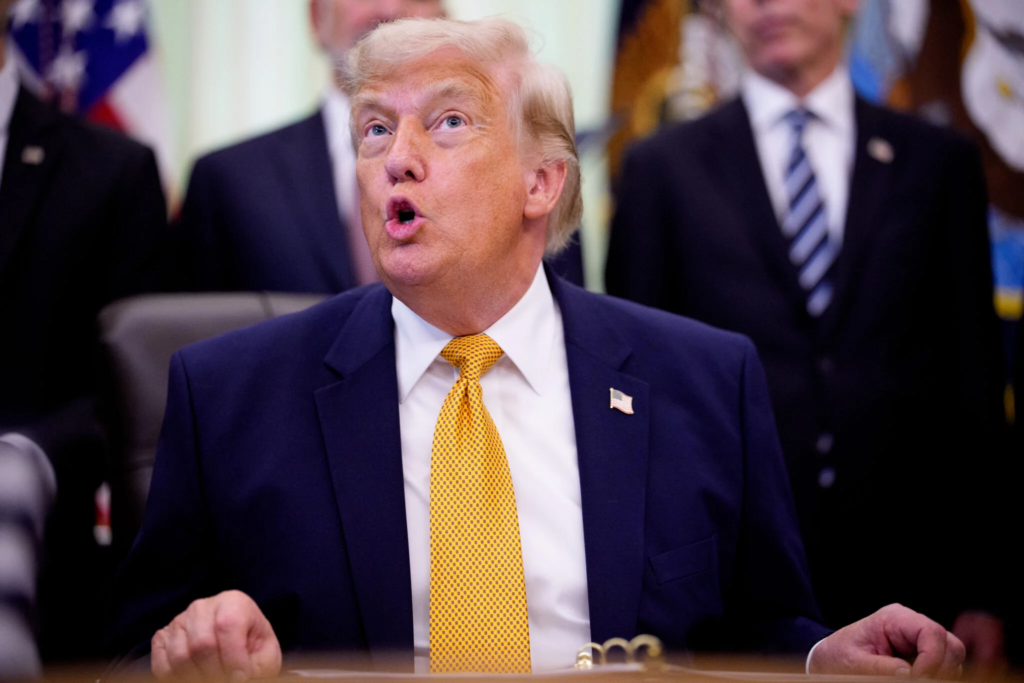
Former President Donald Trump has also commented publicly on the matter, claiming that vandalism occurred at the landmark. In statements shared through social media and public remarks, he alleged that individuals intentionally damaged parts of the reflecting pool. Those claims have not yet been independently confirmed through publicly released evidence from federal authorities.
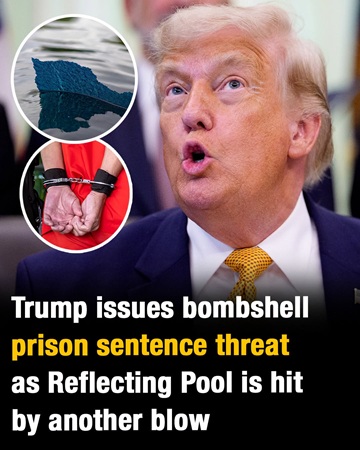
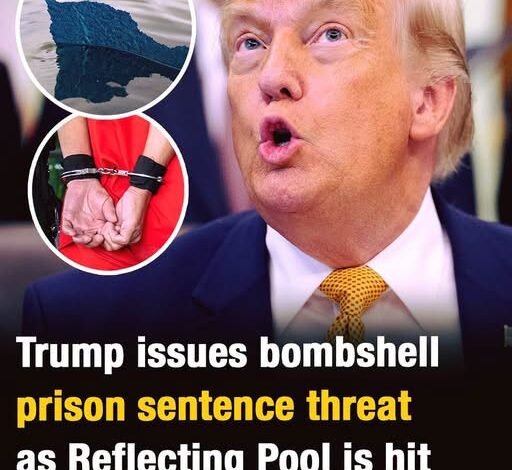
Trump also warned that damaging or attempting to damage federal monuments can carry serious legal consequences. He referenced potential prison sentences of up to 10 years, framing the issue as part of a broader concern over protecting national monuments and federal property.
Federal agencies, including the U.S. Park Police and the Department of the Interior, have indicated that investigations and reviews are ongoing. Officials have said the citations issued in connection with the incidents are still being evaluated, and any decision about possible charges will depend on the outcome of that review.
A representative speaking on behalf of federal prosecutors stated that cases involving damage to federal property are handled seriously through the appropriate legal process. However, as of now, no formal criminal charges specifically tied to the Reflecting Pool vandalism allegations have been publicly confirmed in court.
The contractor responsible for the renovation has suggested that the visible damage appears limited and can likely be addressed through warranty repairs. The company has also pointed out that routine maintenance remains part of managing the site, especially because outdoor water features are vulnerable to environmental conditions.
The situation has since become politically charged. Some observers view the reported damage as evidence of intentional disrespect toward a national landmark. Others argue that the public should wait for official findings before accepting claims of vandalism as fact.
For now, the matter remains unresolved. Authorities are continuing to review reports, citations, and the condition of the Reflecting Pool. Until more evidence is released, the full explanation for the damage remains uncertain.
What is clear is that the controversy has renewed attention on the care of historic public spaces, the cost of major restoration projects, and the importance of distinguishing confirmed facts from political claims. As the review continues, officials are expected to provide more clarity about what happened, whether criminal conduct occurred, and what repairs may be needed to preserve one of Washington’s most iconic landmarks.