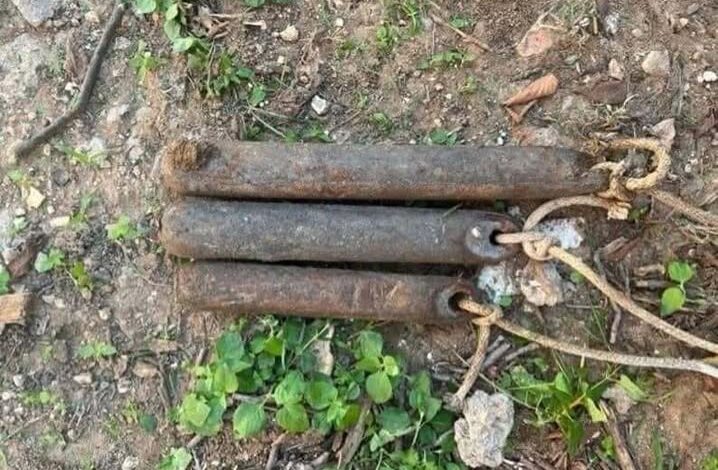
In a world increasingly obsessed with sleek screens, hidden systems, lightweight materials, and quick replacements, something quietly beautiful is being torn out of our homes. It does not blink, glow, connect to Wi-Fi, or announce itself with modern convenience. It sits silently inside old walls, heavy and unseen, doing its work for decades without complaint. Vintage window weights, once an essential part of traditional sash windows, are disappearing one renovation at a time.
Many homeowners never even realize they are there. During remodels, old window frames are removed, walls are opened, and the weights are pulled out like useless scraps from another age. To someone unfamiliar with their purpose, they may look like nothing more than blocks of iron or lead, dirty and outdated, hardly worth saving. But to craftsmen, preservationists, and historians, those weights are not junk. They are evidence of a time when buildings were designed to be repaired, balanced, and kept alive.
Hidden inside timber frames and plastered walls, vintage window weights once made the movement of a sash window feel smooth, effortless, and almost graceful. Connected by cords or chains, they counterbalanced the weight of the window so it could be lifted with ease and stay open without a prop, latch, or struggle. A heavy wooden sash that might otherwise have been awkward to move became light in the hand. The engineering was simple, but elegant. It turned an everyday motion into a small act of precision.
These weights were often cast from iron, and in some cases lead, made to match the size and weight of the window they served. They were not decorative in the obvious sense. Most people never saw them. Yet their usefulness was part of their beauty. They represented a kind of craftsmanship that did not need applause. Their value was in reliability, in balance, in the quiet satisfaction of a window that moved exactly as it should.
Every old weight carries a little history with it. It may have been installed when the house was first built, handled by workers whose names are long forgotten. It may have helped open a window through summers, storms, wars, family gatherings, childhood mornings, and quiet evenings. Generations may have lifted the same sash without ever thinking about the hidden mechanism making the motion possible. Behind the wall, the weight simply rose and fell, year after year, part of the house’s breathing.
That is what makes their disappearance feel like more than a practical loss. When vintage window weights are discarded, we lose a piece of the philosophy behind older buildings. These systems were built around repair rather than replacement. If a cord broke, it could be replaced. If a sash stuck, it could be adjusted. If the wood weathered, it could be restored. The entire mechanism was understandable to human hands. It invited maintenance instead of disposal.
Modern replacement windows often promise efficiency and convenience, and in some cases they solve real problems. But too often, old sash windows are removed without anyone considering whether they could have been repaired. Original materials are thrown away. Historic details are flattened. The home becomes easier to sell, perhaps, but less itself. Something handcrafted and durable is replaced by something temporary, sealed, standardized, and difficult to mend.
Craftsmen understand this loss instinctively. They know the pleasure of opening an old window that has been properly restored, feeling the sash glide upward as the hidden weights do their work. They know that the old system can often be revived with patience, skill, and respect. They also know that once the original weights are gone, the house loses part of its internal memory. The walls may still stand, but one of their quiet mechanisms has been silenced.
Historians see another layer. Window weights are part of the story of domestic architecture, industrial casting, local building traditions, and the evolution of everyday comfort. They remind us that good design was not always flashy. Sometimes it was buried inside a wall, making life easier without demanding attention. They belong to an era when function and longevity were closely linked, when the parts of a house were expected to last, be serviced, and continue working across generations.
There is something deeply human about that. A sash window with its original weights is not merely an object. It is a partnership between material, gravity, design, and touch. The hand lifts; the weight responds. The window rises; the hidden counterbalance descends. Nothing electronic, nothing disposable, nothing overcomplicated—just physics, craftsmanship, and time working together.
To save these weights is not to reject progress. It is to remember that progress should not require forgetting everything that worked well before. Old houses do not need to be frozen in the past, but they do deserve to be understood before they are stripped apart. Sometimes the most sustainable choice is not the newest product, but the careful repair of what is already there. Sometimes the greenest technology is a century-old system still capable of doing its job.
Vintage window weights may be silent, but they speak to a different way of building and living. They remind us that durability has beauty, that hidden things can matter, and that a home is more than its visible surfaces. Behind plaster and timber, beneath layers of paint and renovation, there are mechanisms that once made daily life smoother and more graceful.
Every discarded weight takes a little of that story with it. Every restored one keeps the conversation going between past and present. And perhaps that is why these heavy, overlooked pieces deserve more attention than they receive. They are not just remnants of old windows. They are reminders of patience, proportion, repair, and the quiet intelligence built into homes before speed and replacement became the default answer.