National Park Service ranger dies after falling into crevasse on Mount McKinley during climbing patrol

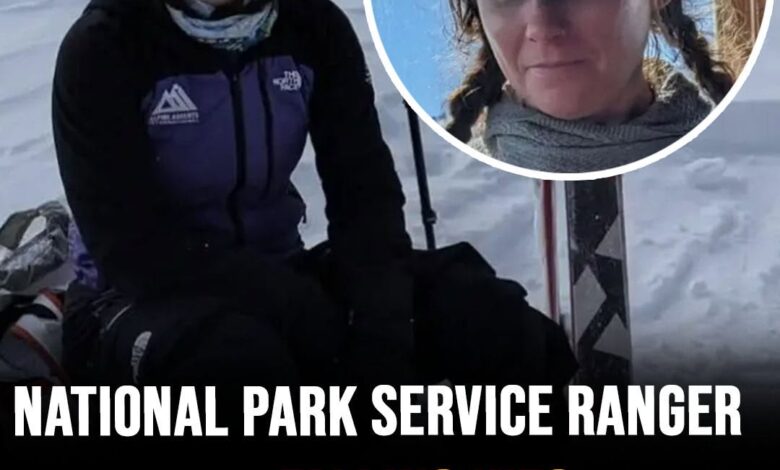
High on Denali’s frozen slopes, where the air thins and the mountain allows no room for carelessness, 33-year-old seasonal ranger Robin Pendery was doing the work she had chosen with purpose. She was there not for comfort or recognition, but to protect others in one of the most unforgiving places on Earth.
Assigned to the 14,000-foot camp, Pendery lived and worked in a world defined by ice, altitude, wind, and constant risk. Her days were spent monitoring climbing routes, checking conditions, supporting rescue operations, and helping maintain order in a landscape where even experienced climbers can be humbled in seconds. At that elevation, every decision matters. Weather can shift without warning. Snow bridges can weaken. A safe step can become a deadly one.
For the climbers who passed through that camp, rangers like Pendery represented steadiness in a place built on uncertainty. They were the people watching the routes, answering calls, responding when plans failed, and stepping into danger when others needed help. Denali demands courage from everyone who attempts it, but it asks something different from the rangers who serve there. They do not face the mountain only for themselves. They face it again and again for strangers.
On Thursday afternoon, the same mountain Pendery had worked to make safer turned against her. A hidden crevasse opened beneath her, swallowing the security of what had seemed like solid ground. In a matter of moments, a ranger whose job was to protect others became another life claimed by Denali’s vast and merciless terrain.
Her colleagues moved quickly, driven by training, urgency, and the hope that every rescue begins with. But the mountain offered no easy mercy. What began as a desperate effort to save her became a recovery, leaving fellow rangers and the wider climbing community to absorb the kind of loss they know is possible but can never truly prepare for.
In the aftermath, those who worked beside her described Pendery as part of the “Denali family.” It is a phrase that carries more than professional respect. On a mountain like Denali, the people who serve together are bound by shared hardship, isolation, trust, and the knowledge that danger is never theoretical. They understand the cold, the exhaustion, the long watches, the difficult calls, and the silent weight of responsibility when lives depend on judgment made under extreme conditions.
Pendery’s death comes during an especially painful stretch on the mountain. Just days earlier, three Latvian climbers were killed on Denali, adding to a history already marked by tragedy. Over the years, the mountain has claimed more than 130 lives, each one a reminder that its beauty is inseparable from its danger.
Still, every season, climbers return. They come drawn by Denali’s scale, its remoteness, its challenge, and the dream of standing on the highest peak in North America. And every season, rangers like Robin Pendery step forward as well. They return not because they misunderstand the risk, but because they understand it completely. They know the mountain’s reputation. They know the thin line between routine and disaster. They know that rescue work in such a place can demand everything.
That is what makes her service so meaningful. Pendery was not simply stationed on Denali; she was part of the quiet system of care that allows others to attempt the mountain at all. She helped protect climbers who may never have known her name. She worked in conditions most people will never experience, carrying responsibility in a place where nature remains larger than human confidence.
Her death is a devastating reminder that the people who guard the wild are never separate from its dangers. Rangers are often seen as guides, protectors, problem-solvers, and calm voices in moments of fear. But they, too, walk the same unstable snow, breathe the same thin air, and face the same hazards as those they are sworn to help.
For her colleagues, the loss is personal. For the climbing community, it is sobering. For those who understand Denali, it is another painful chapter in the long story of a mountain that inspires awe and grief in equal measure.
Robin Pendery’s life should not be remembered only by the accident that took it. She should be remembered for the courage it took to serve in such a place, for the dedication required to protect others on unforgiving terrain, and for the quiet strength of choosing work where the risks were real but the purpose was greater.
Denali will remain what it has always been: magnificent, dangerous, indifferent, and deeply powerful. Climbers will continue to look toward its summit. Rangers will continue to stand watch. And among those who know the mountain, Robin Pendery’s name will remain part of its story — not only as a victim of its dangers, but as someone who gave herself to the difficult, necessary work of protecting others in its shadow.