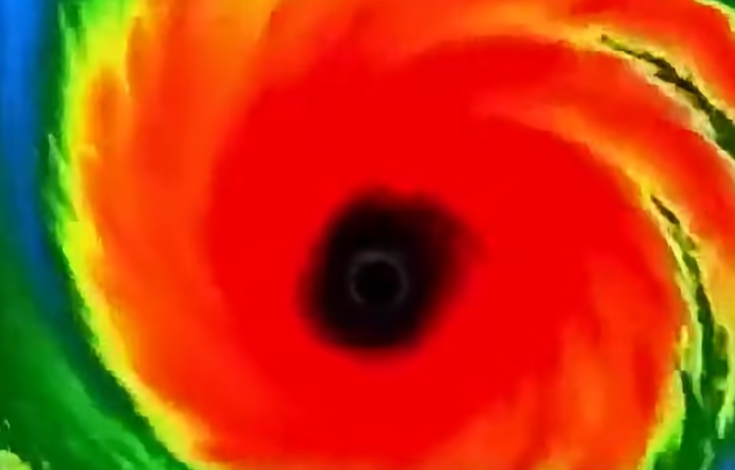
Hurricane Melissa has left behind a path of destruction that will affect the Caribbean long after the winds fade and the floodwaters begin to recede. Across Jamaica, the scale of the disaster has pushed communities, emergency workers, and public services to their limits. The country’s disaster declaration reflects not only the damage already visible, but also the uncertainty of what may still be uncovered in the days ahead.
Hundreds of thousands of people remain without power, leaving families in darkness and forcing hospitals, water systems, shelters, and communication networks to depend on generators. In some areas, those generators are the only thing keeping essential services alive. Emergency crews are working through blocked roads, damaged bridges, fallen trees, and flooded neighborhoods as they try to reach communities that have been cut off from help. In many of those places, the full extent of the need is only beginning to emerge.
Families are returning to homes that may no longer be safe, searching through debris for documents, clothing, medicine, photographs, and anything else that survived the storm. For many, the damage is not only physical but emotional. A home can be rebuilt, but the shock of watching years of work scattered by wind and water is harder to measure. Officials are also preparing for the possibility that more victims may be found as waters drain and rescue teams gain access to areas that have been unreachable.
To the north, Cuba’s large-scale evacuations show the painful lessons learned from previous storms. Hundreds of thousands of residents have left coastal villages, low-lying neighborhoods, and flood-prone towns, carrying only what they could manage. Some families left behind homes, livestock, crops, and businesses, unsure of what they will return to. For island communities already familiar with hurricane season, evacuation is not panic—it is survival.
The danger remains severe. Forecasts of powerful winds, extreme rainfall, and dangerous storm surge threaten homes, farms, roads, and fragile infrastructure across the island. Flooding could overwhelm drainage systems, damage crops, contaminate water supplies, and isolate communities for days. In rural areas, where access to emergency help may already be limited, the aftermath could be especially difficult.
Even after Melissa moves away, the crisis will not truly end. Hurricanes often leave behind a second disaster: unsafe drinking water, damaged sanitation systems, disease risks, food shortages, and the slow struggle to restore power, transportation, and medical care. The poorest and most remote communities are often the last to receive help and the slowest to recover.
For Jamaica, Cuba, and the wider Caribbean, Hurricane Melissa is not just a weather event. It is a humanitarian emergency, an infrastructure crisis, and a long-term rebuilding challenge. The storm has exposed how vulnerable island nations remain to extreme weather, especially when homes, roads, hospitals, and water systems are already under strain.
In the weeks and months ahead, recovery will depend on more than clearing debris. It will require clean water, medical support, temporary shelter, food distribution, power restoration, and sustained assistance for families who have lost nearly everything. The region will rebuild, as it has after storms before, but the road ahead will be long, uneven, and deeply painful for those whose lives have been changed in a single night.