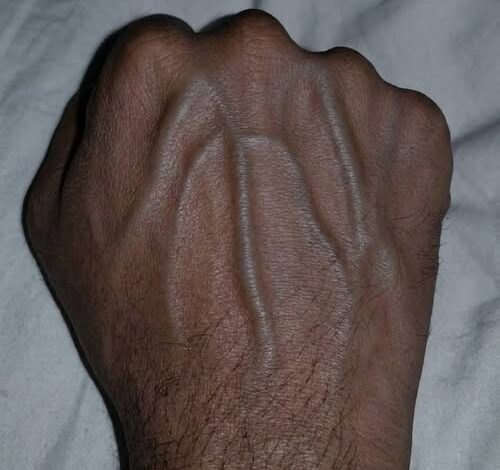
Visible veins are often less alarming than they first appear. In many cases, they simply reflect the natural way your body is built, how your circulation works, and how your skin and tissues change over time. Some people naturally have veins that sit closer to the surface, while others notice them more during certain stages of life, after exercise, or in warmer conditions. What may look sudden or dramatic can sometimes be the result of normal changes in blood flow, body composition, temperature, or skin thickness.
Leaner bodies, for example, often make veins more noticeable because there is less fat beneath the skin to soften their appearance. Athletes and physically active people may also see more prominent veins, especially in the arms, hands, legs, or feet, because working muscles need increased blood flow. After exercise, veins can temporarily expand as the body moves more blood and oxygen through the tissues. Heat can have a similar effect. A hot shower, warm weather, or time spent in the sun may cause blood vessels to widen, making veins stand out more clearly than usual.
Aging is another common reason veins become more visible. As skin gets thinner and loses some of its elasticity, the veins underneath may become easier to see. This does not automatically mean something is wrong. In many cases, the veins themselves are still functioning normally; they are simply more visible because the skin above them has changed. Hands, forearms, legs, and feet are common places where people begin noticing this difference.
For many people, visible veins are just part of normal circulation. They may look blue, green, or slightly raised depending on skin tone, lighting, temperature, and where they are located. If they have been present for a long time, do not cause discomfort, and are not accompanied by other symptoms, they are often not a cause for concern. The body is simply allowing you to see more of what was already there.
Concern becomes more important when visible veins are not the only change. Pain, swelling, warmth, redness, tenderness, or a hardened area along a vein should be taken seriously. A new lump, bulging vein, or cord-like feeling beneath the skin may need medical evaluation. Skin that turns red, purple, bluish, unusually pale, or shiny can also signal a circulation problem, inflammation, or another underlying issue that should not be ignored.
Other symptoms matter as well. Cold or numb fingers and toes, tingling, weakness, slow-healing cuts, skin ulcers, or a heavy, aching feeling in the legs may point to poor circulation or vein disease. Varicose veins, blood clots, inflammation, and circulation disorders can sometimes begin with changes that seem minor at first. Swelling in one leg, sudden pain, warmth, or shortness of breath should be treated as urgent, because these symptoms can sometimes signal a serious condition.
It is also important to pay attention to timing. Veins that become more noticeable after exercise or heat and then return to normal are often less concerning than veins that suddenly appear, continue to worsen, or come with pain or skin changes. A pattern that feels new, unusual, or different from your normal body deserves attention. You do not need to panic, but you should not dismiss your instincts either.
Simple habits can support healthy circulation. Staying active, stretching, avoiding long periods of sitting or standing, drinking enough water, and maintaining a balanced diet can all help blood move more efficiently. Elevating the legs may ease mild swelling or heaviness, and supportive footwear can reduce strain. For some people, compression socks may help, but they should be used with guidance if there are existing circulation problems, diabetes, nerve issues, or significant swelling.
Ultimately, visible veins are not always a warning sign. Often, they are a normal part of how the body responds to movement, heat, aging, genetics, and changes in skin or muscle tone. But veins should be considered in context. If they look different and your body feels different, that combination matters. Pain, swelling, color changes, numbness, coldness, or slow healing are signs that a doctor should evaluate what is happening.
Trust your body’s signals. A visible vein by itself may be harmless, but a visible vein paired with discomfort or other changes can be your body’s way of asking for help. When in doubt, it is better to let a healthcare professional decide what is normal and what needs treatment. Paying attention early can protect circulation, prevent complications, and give you peace of mind.