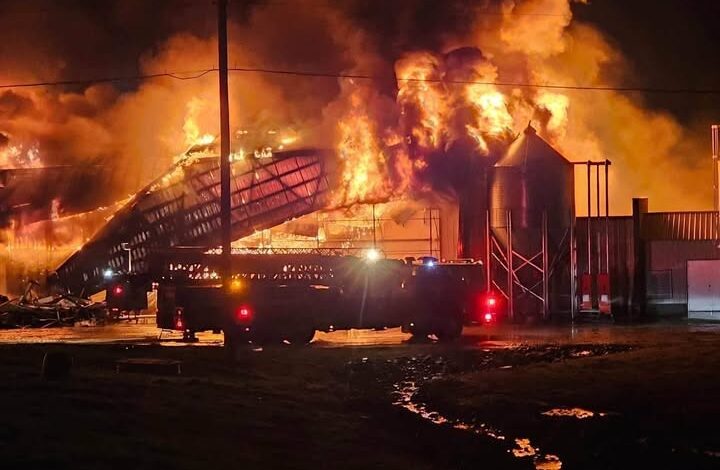
A destructive hillside fire has left a vulnerable community facing deep losses after many homes were reportedly damaged or destroyed. What began as a fast-moving emergency has now become a long and painful recovery effort for families who suddenly lost the places that gave them shelter, stability, and a sense of belonging.
For many residents, the damage is more than physical. A home is where people keep their memories, documents, clothing, medicine, savings, family photos, and the small everyday items that make life feel normal. When fire sweeps through a neighborhood, it does not only destroy walls and roofs. It disrupts routines, separates families from familiar surroundings, and leaves people wondering where they will sleep, how they will rebuild, and what life will look like in the days ahead.
Emergency assistance has become the most urgent priority. Shelters, food distribution, medical care, clothing, hygiene supplies, and temporary housing support are being organized for those affected. Families who escaped with little or nothing now need immediate help meeting basic needs. For older residents, children, people with disabilities, and those with limited financial resources, that support is especially critical.
But recovery will not end when the flames are gone. The first days after a disaster often bring attention, donations, and emergency response, yet the hardest part may come later, when families must navigate insurance claims, housing shortages, cleanup costs, rebuilding decisions, and the emotional trauma of starting over. Some residents may not have the resources to rebuild quickly, while others may face uncertainty about whether their homes can ever be safely restored.
The fire has also raised broader concerns about housing safety and disaster preparedness. Communities built on hillsides or in other high-risk areas can be especially vulnerable when fire conditions worsen. Narrow roads, limited evacuation routes, aging structures, dry vegetation, and lack of stronger protective infrastructure can all increase danger. The disaster has exposed how quickly families can lose everything when neighborhoods are not adequately prepared for emergencies.
Local groups, volunteers, faith organizations, nonprofits, and community leaders have begun stepping in to provide practical help and emotional support. Their work is essential. They are helping distribute supplies, connect displaced families with services, offer transportation, support cleanup efforts, and make sure residents do not feel abandoned in the aftermath. In moments like this, community response can become a lifeline.
Still, long-term recovery will likely require consistent public and private assistance. Rebuilding homes, restoring infrastructure, replacing essential belongings, and supporting displaced residents cannot be accomplished through short-term aid alone. Officials may need to coordinate with housing agencies, emergency management teams, charitable organizations, and private donors to ensure that families are not left behind once public attention moves elsewhere.
Beyond rebuilding, the fire may also force difficult conversations about prevention. Community leaders and officials could face growing pressure to improve safety standards, strengthen emergency plans, expand access to warning systems, clear hazardous areas, and invest in infrastructure that reduces the risk of future disasters. For residents living in vulnerable areas, recovery must include not only restoring what was lost, but making sure the same kind of devastation is less likely to happen again.
For the families affected, the road ahead remains uncertain and difficult. Many are grieving what they lost while trying to make practical decisions about shelter, finances, health, and rebuilding. Yet even in the aftermath of destruction, the response from neighbors, volunteers, and local organizations shows the strength that can emerge during crisis.
A fire can tear through homes in minutes, but recovery is built slowly, through shared effort, compassion, and continued support. For this community, the path forward will require more than rebuilding structures. It will require restoring safety, dignity, and hope for the people who lost so much.