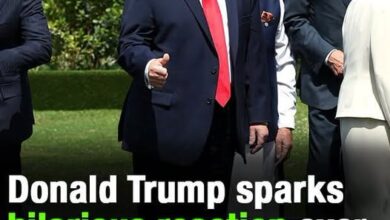
FIFA confirms Donald Trump will break protocol as he prepares to present World Cup trophy


The choice to have Donald Trump take part in presenting the 2026 World Cup trophy is already adding a charged layer to what should be one of the most celebrated moments in global sports.
For some viewers, the image will represent American power and prestige at a tournament partly hosted on U.S. soil. It will be seen as a symbolic moment: a former president standing on the world’s biggest football stage as the sport crowns its champion in North America.
But for others, the decision risks pulling politics directly into a moment that many fans hope will feel universal. The World Cup final is supposed to be one of the rare events where national divisions, political arguments, and cultural battles briefly give way to the shared emotion of the game. Placing such a polarizing figure at the center of the trophy ceremony could make that escape harder to preserve.
Concerns are not appearing in a vacuum. Critics point to past moments when Trump’s presence around major football events seemed to draw attention away from the athletes themselves. His lingering appearance during Chelsea’s Club World Cup celebration and his casual remarks about bombing Iran while Juventus players stood nearby have become part of the broader anxiety. To those already skeptical, these incidents suggest that the 2026 final could become less about football and more about spectacle, image, and political theater.
FIFA President Gianni Infantino’s visible closeness with Trump only deepens the controversy. Supporters may frame the partnership as practical diplomacy and a historic photo opportunity. Critics, however, are likely to view it as another example of football’s biggest stage being used to serve power, ego, and personal branding.
That tension could shape how the final is remembered. The match itself may produce a brilliant champion, unforgettable goals, and a defining sporting moment. But the ceremony afterward may carry its own meaning, especially if the focus shifts from the players lifting the trophy to the political figure standing beside them.
When the final whistle blows in 2026, the world will not only be watching the winning team. It will also be watching the stage, the handshake, the camera angles, and the symbolism behind them. In that moment, the question may not simply be who won the World Cup, but who was allowed to own its most powerful image.