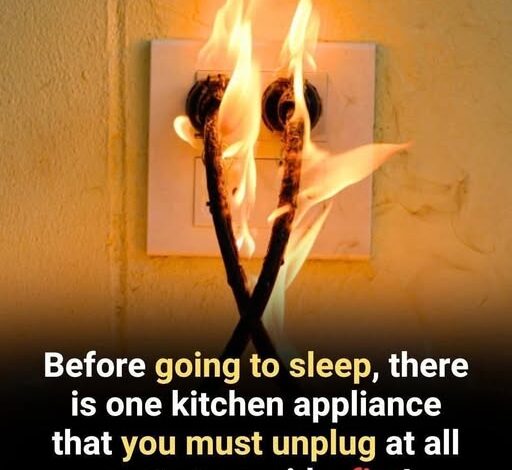
You think your home is powered down the moment you flip the switch, but you are wrong. Deep inside your walls and hidden in every room, a silent, invisible theft is taking place. Your appliances are not just sitting idle—they are hungry, constantly feasting on electricity even when they are “off.” This is the world of “phantom energy,” and it is a persistent, silent drain on your hard-earned money that you have been ignoring for years. It’s time to stop the leak. Here are the five household appliances that are effectively robbing you, and why you need to pull the plug tonight.
Phantom energy, or standby power, is the electricity consumed by devices that are switched off but still connected to an outlet. These appliances often wait in a “ready” state, powering digital clocks, remote-control sensors, or standby light indicators. While the energy usage of a single device might feel negligible, the cumulative effect of a modern home filled with dozens of these items is staggering. Over a year, this invisible consumption can add significant, unnecessary weight to your electricity bill, while simultaneously exposing your electronics to the risk of power surges and shortening the lifespan of your most expensive hardware.
The first offender is the phone and tablet charger. We all do it: leave the charger plugged into the wall, dangling by the outlet, long after the device is disconnected. Even when it isn’t charging your phone, the charger itself continues to draw current, often generating heat that signals wasted energy. Make it a habit to pull the plug the moment your device hits 100%.
Next, look at your coffee maker. If your machine features a digital clock, a timer, or programmable settings, it is consuming power around the clock just to keep that display lit. By unplugging it when not in use, you not only eliminate phantom power but also reduce the risk of electrical faults. If you’re heading out for a trip, this is a non-negotiable step for home safety.
Toasters and toaster ovens are frequently left connected in kitchens worldwide. Beyond the standby power used by digital displays and electronic timers, leaving a toaster plugged in creates a potential risk for accidental activation or electrical faults, especially in homes where crumb accumulation is common. Unplugging them provides a necessary layer of household security.
Your television and entertainment systems are perhaps the greatest offenders in the home. Modern TVs, sound systems, and gaming consoles are designed for “instant-on” convenience, which means they remain in a high-alert standby mode, ready to respond to your remote. This requires a constant, steady stream of electricity. If you see a tiny indicator light glowing in the dark, that is your money evaporating. Consider using a smart power strip that automatically cuts power to the entire system when the main device is turned off.
Finally, consider your desktop computer and its accessories. Monitors, printers, speakers, and external hard drives often stay connected 24/7. Even when the computer is shut down, these peripherals can continue to draw power. Beyond the energy cost, disconnecting them is your best defense against voltage fluctuations and lightning-related power surges that can fry your expensive equipment in a split second.
Of course, not every appliance should be disconnected. You should obviously keep your refrigerator, freezer, medical equipment, and home security systems plugged in at all times. For everything else, the transition to a more mindful home is simple. If you find the manual unplugging tedious, invest in smart power strips. These devices act as a gatekeeper, cutting electricity to multiple items once the master device is powered down, offering you both convenience and total energy control.
Beyond the financial savings, there is a profound peace of mind that comes with knowing your home is truly at rest. You are reducing your environmental footprint, protecting your electronics from the unpredictable nature of the power grid, and significantly lowering the risk of electrical overheating. Do not let your appliances dictate your energy consumption. Take control of your home’s power, build the habit of pulling the plug, and stop the invisible theft that has been draining your resources for far too long. Your bank account—and your household safety—will thank you.