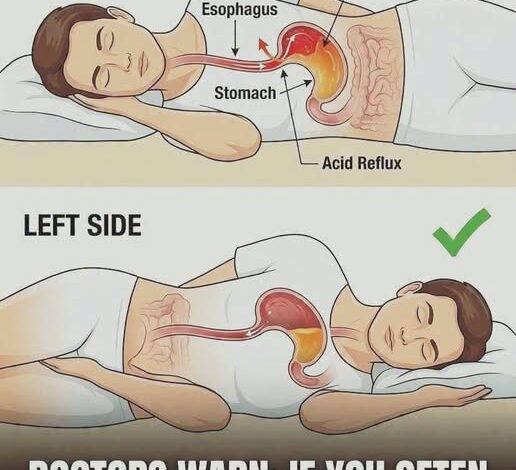
You may have spent years assuming that the burning sensation in your chest after a late-night snack is simply the price of indulgence. Maybe you blamed the extra slice of pizza, the spicy dinner, the glass of wine, or the dessert you knew you probably should have skipped. And sometimes, food really is part of the problem. But what if the real trigger is not only what you ate, but what you do afterward?
For many people, nighttime heartburn begins the moment they lie down.
During the day, gravity works quietly in your favor. When you are standing or sitting upright, your stomach contents naturally stay lower in the digestive tract. Gravity helps keep acid where it belongs, reducing the chance that it will creep upward into the esophagus. But once you lie flat, that helpful force is weakened. Your body no longer has the same natural support keeping stomach acid down, and the result can be a painful cycle of reflux, burning, coughing, throat irritation, and broken sleep.
What should be a time of rest can quickly become a nightly battle.
The Hidden Geometry of Digestion
The stomach is not positioned like a simple, symmetrical container. Its shape and location inside the abdomen matter more than many people realize. Because of this anatomy, the side you sleep on can influence how easily acid moves upward.
Sleeping on the left side may help reduce reflux for some people. In that position, the stomach sits in a way that can help keep its contents lower than the esophagus. This makes it more difficult for acid to travel upward, especially when compared with lying flat on the back or sleeping on the right side.
Right-side sleeping, by contrast, may place the stomach in a position that allows acid to gather closer to the lower esophageal sphincter, the valve-like muscle that helps separate the stomach from the esophagus. If that muscle relaxes or becomes weak, acid can escape more easily, leading to the familiar burning sensation many people associate with heartburn.
This does not mean one sleeping position will solve every case of reflux. But for some people, changing sides can make a noticeable difference.
Why Late Meals Make It Worse
Sleep position is only one part of the problem. Meal timing can be just as important.
When you eat a large meal shortly before bed, your stomach is still busy digesting when you lie down. Instead of resting, your body is trying to process food while dealing with the pressure of a full stomach. That pressure can increase the chance that acid will push upward, especially if you lie flat soon afterward.
Heavy meals, fatty foods, spicy dishes, alcohol, chocolate, caffeine, and acidic foods may make symptoms worse for some people. But even a relatively normal meal can trigger discomfort if it is eaten too close to bedtime.
Giving your body a few hours between dinner and sleep can help. That buffer allows the stomach to begin emptying before you lie down, reducing pressure and lowering the risk of acid reflux during the night.
The Bedroom Habits That Can Help
Small changes to your nighttime routine may make a meaningful difference. Sleeping on your left side can be one helpful adjustment. Elevating the head of the bed may also help by using gravity to keep acid from rising. This is different from simply stacking pillows, which can bend the body at the waist and sometimes increase pressure on the stomach. A wedge pillow or a raised bed angle may be more effective for some people.
Loose clothing can also matter. Tight waistbands or restrictive sleepwear may increase abdominal pressure, especially after eating. Creating a calm, consistent bedtime routine can also support better sleep, which matters because poor sleep and reflux can feed into each other.
The goal is not to overhaul your entire life overnight. It is to notice patterns and make practical adjustments that help your body work with gravity instead of against it.
When Heartburn Is More Than a Nuisance
Occasional heartburn is common, especially after a heavy or late meal. But frequent reflux should not be ignored. If symptoms happen regularly, wake you from sleep, cause a sour taste in the mouth, lead to throat irritation, or create a persistent cough, it may be a sign of gastroesophageal reflux disease, often called GERD.
GERD is more than simple discomfort. Over time, repeated exposure to stomach acid can irritate and damage the esophagus. That is why persistent symptoms deserve attention, especially if they are becoming more frequent or harder to control.
It is also important not to dismiss warning signs. Trouble swallowing, unexplained weight loss, vomiting blood, black stools, severe chest pain, or chest discomfort that could be heart-related should be evaluated urgently. Not every burning sensation is harmless, and it is always better to be cautious when symptoms feel unusual or severe.
Listening to What Your Body Is Telling You
Your body often gives clues before a problem becomes serious. Waking up with a bitter taste, clearing your throat every morning, coughing at night, or feeling burning after lying down may all point to reflux. These symptoms are not just inconveniences. They are signals that your nighttime routine, meal timing, or digestive health may need attention.
The good news is that relief may begin with simple changes: eating earlier, avoiding known triggers, sleeping on the left side, elevating the upper body, and paying attention to patterns. For many people, these steps can reduce nighttime discomfort and improve sleep quality.
Your sleep is one of the foundations of your health. If reflux is interrupting it night after night, the problem deserves more than a shrug. The answer may not be complicated, but it does require awareness.
Sometimes the relief you have been searching for is not hidden in a new diet or an expensive solution. Sometimes it begins with something as simple as changing when you eat, how you sleep, and whether you listen when your body warns you that something needs to change.