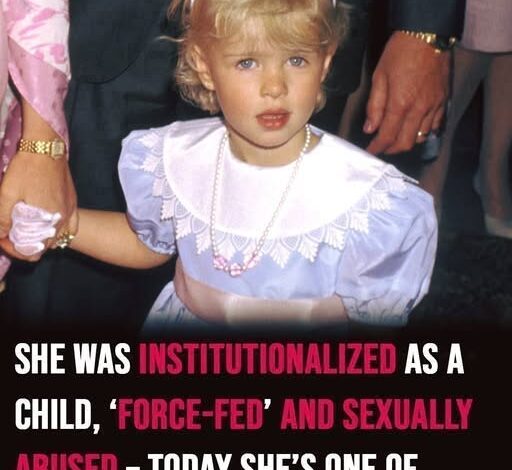
The girl the world once dismissed as a joke was, in truth, a child prisoner hidden in plain sight.
For years, Paris Hilton was reduced to a caricature: the heiress, the party girl, the blonde punchline, the woman people thought they already understood. Her image was packaged, mocked, sold, and repeated until the public version of her became louder than the truth. But beneath the glittering surface was a young person carrying trauma that few people knew about and even fewer were willing to imagine.
Her silence was not consent. It was survival.
Like so many children sent into the so-called “troubled teen” industry, she learned that speaking up could bring punishment, disbelief, or deeper isolation. The places marketed as schools, treatment centers, or tough-love programs often depended on secrecy. They counted on parents being afraid, overwhelmed, or convinced that harshness was help. They counted on children being dismissed as dramatic, rebellious, or unreliable. They counted on the outside world not asking too many questions.
When Paris finally chose to speak, she did more than tell a painful personal story. She tore open a system that had hidden behind polished brochures, comforting language, and the false promise of discipline. Her testimony exposed how easily “tough love” could become sanctioned cruelty. Behind locked doors, obedience was not always taught; it was extracted. Children were humiliated, isolated, restrained, monitored, medicated, and broken down in the name of correction.
By naming what happened to her, Paris reclaimed something that had been taken long before fame arrived: authorship over her own life. For years, other people had written her story for profit. They had turned her into a symbol without asking what she had survived. But in speaking publicly, she took control of the narrative and forced the world to look beyond the image it had consumed so casually.
The shift was profound. The heiress caricature gave way to a woman standing in courtrooms, capitols, and legislative hearings, demanding that lawmakers confront what institutions had ignored. She did not ask for sympathy as spectacle. She used her platform to demand regulation, oversight, transparency, and accountability for an industry that had operated too long in the shadows. Her pain became evidence. Her fame became leverage. Her past became a weapon against the silence that had protected her abusers.
That transformation is what makes her advocacy so significant. Paris Hilton did not simply survive what happened to her and move on. She returned to the locked rooms, metaphorically and politically, and began forcing them open. She spoke not only for herself, but for the children still trapped in facilities where fear is mistaken for treatment and compliance is mistaken for healing.
Her work challenges a culture too willing to excuse cruelty when it is aimed at children labeled difficult. It asks why so many adults are prepared to believe institutions before they believe the young people harmed inside them. It asks how abuse can be repackaged as therapy, how punishment can be sold as care, and how parental desperation can be exploited by systems built to profit from control.
In the end, Paris Hilton’s story is not only about celebrity, trauma, or reinvention. It is about what happens when someone the world underestimated decides to use that same world’s attention against the machinery that hurt her. She turned humiliation into testimony, testimony into legislation, and personal devastation into public armor.
Paris did not merely outlive her past. She gave it a purpose. She weaponized the truth so that the next child’s screams might not be dismissed as rebellion, so that the next locked door might open sooner, and so that the next survivor might be believed the first time.