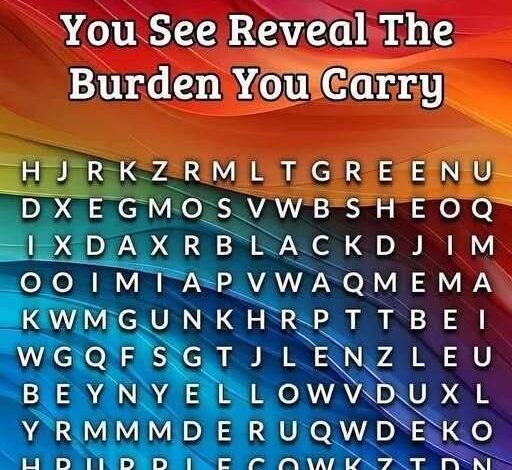
Colors may say more about us than we realize. They do not simply decorate our lives; they often move with us through different emotional seasons, quietly reflecting what we are craving, avoiding, healing from, or trying to become. The shades we suddenly reach for can feel random at first, but sometimes they reveal an inner shift long before we are able to explain it clearly.
A sudden attraction to red, for example, may signal more than a change in style. It can suggest a desire to be seen after a long period of feeling ignored, dismissed, or emotionally muted. Red carries intensity. It speaks of confidence, passion, anger, courage, and hunger. When someone begins choosing red clothing, red lipstick, red accessories, or red details in their surroundings, it may point to a deeper need to take up space, reclaim power, or feel alive again.
Blue often tells a different story. A growing love for blue may reflect a longing for calm, safety, and emotional distance. When life feels chaotic, loud, or unpredictable, blue can become a kind of shelter. It suggests quiet, control, peace, and the need to breathe. Someone drawn to blue may not be trying to appear cold or distant; they may simply be searching for stillness in a world that feels overwhelming.
Purple can carry the feeling of change. When it begins appearing everywhere—on notebooks, scarves, bedroom lights, phone cases, or small objects we keep close—it may reflect a season of transition. Purple often sits between the fire of red and the calm of blue, making it feel connected to transformation, grief, mystery, creativity, and reinvention. It can appear during moments when a person is leaving behind an older version of themselves but has not yet fully stepped into the new one.
Even the colors we avoid can speak. Pulling away from bright tones may suggest a desire to stay unnoticed, especially after a period of emotional exhaustion, embarrassment, or unwanted attention. Avoiding bold colors can become a quiet way of saying, “I do not want to be seen too closely right now.” In the same way, rejecting white may reflect discomfort with emptiness, new beginnings, or the pressure to start over before one is ready. For some, white feels clean and peaceful. For others, it can feel too exposed, too final, or too closely tied to loss.
None of these meanings are fixed. A color does not diagnose a person, and no shade can fully explain the complexity of a human life. Culture, memory, personal taste, fashion, and environment all shape the way we respond to color. Still, our reactions are worth noticing. The color that suddenly feels comforting, the one that feels unbearably loud, or the one we keep choosing without knowing why may be connected to something deeper.
Colors can become emotional signals. They can show us where we feel strong, where we feel vulnerable, where we want attention, and where we want protection. They can reveal the parts of us that are ready to emerge and the parts still asking to be hidden.
So the next time a certain shade keeps calling to you, pay attention. Notice whether it makes you feel brave, calm, nostalgic, powerful, protected, or free. Notice, too, which colors you push away. Your emotions may be speaking through color before they are ready to become words.
Sometimes, the palette you choose is not just about what looks good. It is a quiet map of what your inner life is trying to tell you.