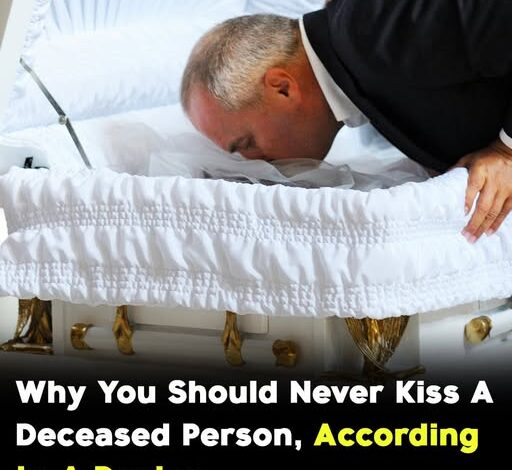
Dr. Viktor Ivanovik, a medical content creator with nearly 300,000 followers on TikTok, recently sparked widespread discussion after warning people about the potential health risks of kissing deceased loved ones during final farewells.
In his video, Ivanovik delivered a blunt message to viewers: “Never kiss the deceased!”
He explained that after death, the body gradually begins to decompose, and this process can allow bacteria to multiply. According to Ivanovik, around nine hours after death, bacterial activity may increase significantly, creating possible health risks for anyone who comes into close contact with the body. He claimed that kissing a deceased person could expose someone to harmful bacteria and, in rare cases, may even affect the sense of smell.
His warning quickly gained attention online, with many viewers reacting strongly. Some people said they had never considered the possibility of bacterial exposure during such an emotional moment. For them, the video served as a surprising reminder that grief rituals, while deeply meaningful, can also carry practical health considerations.
Others responded with emotion, saying that no warning would have changed what they chose to do when saying goodbye to someone they loved. One viewer wrote, “I kissed my father and would do it a million times over! I can lose taste and smell, he is my father!” The comment captured the emotional conflict many people felt. For some, a final kiss is not just a gesture. It is a last act of love, respect, and closure.
Dr. Ivanovik’s message highlights the delicate balance between cultural traditions, personal grief, and health awareness. In many families and communities, touching or kissing a deceased loved one is a deeply rooted farewell ritual. It can help people process loss, express affection, and feel connected during one of life’s most painful moments. Because of that, warnings like his can feel jarring, especially when they involve something so intimate and emotional.
At the same time, his video encouraged people to think more carefully about safety during funerals, wakes, and private goodbyes. While many people may choose to follow tradition, others may decide to express love in different ways, such as holding a hand, placing a flower, saying a prayer, or simply spending a quiet moment near the person they have lost.
The conversation shows that grief does not always fit neatly into medical advice. People make decisions during farewells with their hearts, not just their heads. For some, the emotional need to say goodbye physically may outweigh any perceived risk. For others, understanding the possible health concerns may lead them to choose a safer form of farewell.
Ultimately, Dr. Ivanovik’s warning is less about judging how people grieve and more about encouraging awareness. Final goodbyes are deeply personal, and every family approaches them differently. But his message has opened an important discussion about how people can honor loved ones while also protecting their own health during moments of profound loss.