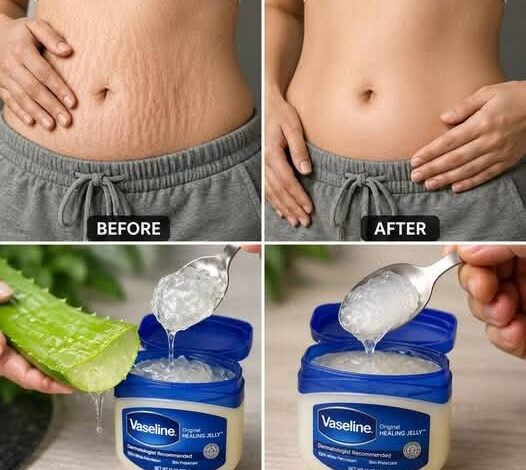
The Reality of Stretch Marks
Stretch marks, also known medically as striae distensae, are extremely common and completely normal. They often appear when the skin stretches quickly due to pregnancy, puberty, rapid weight gain, weight loss, muscle growth, or hormonal changes. Although they may look like surface marks, stretch marks actually form deeper in the skin, in the dermis, where collagen and elastin fibers help keep skin firm, flexible, and smooth.
When the skin stretches faster than these fibers can adapt, tiny tears can occur in the deeper tissue. Over time, those tears become visible as lines or streaks on the skin. Newer stretch marks may look red, pink, purple, or dark brown depending on skin tone. Older stretch marks often fade into a lighter, silvery, or white color.
Because stretch marks involve changes deep within the skin structure, no moisturizer, oil, jelly, or home remedy can completely erase them. A topical product cannot physically “stitch” torn collagen and elastin back together. However, that does not mean skincare is useless. The right routine can improve hydration, smoothness, comfort, and overall appearance, making stretch marks look softer and less noticeable over time.
How Vaseline and Aloe Vera Can Help
A mixture of Vaseline Healing Jelly and aloe vera will not remove stretch marks permanently, but it may provide cosmetic benefits by improving the condition of the surrounding skin.
Petroleum jelly works as an occlusive barrier. This means it helps seal moisture into the skin and prevents water loss. When the skin is well hydrated, it often appears smoother, softer, and slightly plumper. This temporary plumping effect can make the texture of stretch marks look less deep or less obvious.
Aloe vera is often used for soothing irritated or dry skin. It contains water, vitamins, minerals, and naturally calming compounds that may support the skin’s comfort and hydration. When paired with petroleum jelly, aloe can add a cooling, soothing effect while the Vaseline helps lock that moisture in place.
This combination may be especially helpful for skin that feels tight, itchy, dry, or irritated around stretch marks. Many people notice that stretch marks feel more comfortable when the skin is regularly moisturized.
Can This Mixture Fade Stretch Marks?
The mixture may help newer stretch marks appear less harsh by keeping the skin soft and hydrated. Massaging the area regularly can also improve temporary circulation and make the skin feel smoother. However, it is important to be realistic: Vaseline and aloe vera do not remove stretch marks, and they cannot dramatically rebuild collagen in the deeper layers of skin.
Newer stretch marks usually fade naturally over time, even without treatment. They often change from red, pink, purple, or brown to a lighter, less noticeable shade. A consistent moisturizing routine may support the skin during this process, but the fading itself is usually gradual.
Older stretch marks, especially those that are white or silvery, are more difficult to change with home care alone. At that stage, the marks are more mature scars, and deeper treatments are usually needed for more noticeable improvement.
How to Use Vaseline and Aloe Vera Safely
To try this routine, apply a thin layer of aloe vera gel to clean skin. After it absorbs slightly, apply a small amount of Vaseline over it to seal in the moisture. Massage gently in circular motions for a minute or two. This can be done once or twice daily, especially after bathing when the skin is still slightly damp.
Avoid applying the mixture to broken, infected, or severely irritated skin. If you are prone to acne or clogged pores, use a small amount first, since petroleum jelly can feel heavy on some areas of the body.
Always do a patch test before using any new skincare mixture. Apply a small amount to one area and wait 24 hours to check for redness, itching, burning, or irritation.
Clinically Proven Treatment Options
For people who want more noticeable improvement, dermatologists may recommend treatments that target collagen production deeper within the skin.
Prescription topical retinoids, such as tretinoin, may help improve newer stretch marks by encouraging collagen remodeling. These are usually most effective on fresh, red or purple stretch marks. However, retinoids should not be used during pregnancy or breastfeeding unless a doctor specifically approves them.
Microneedling is another option. This procedure uses tiny needles to create controlled micro-injuries in the skin, encouraging the body to produce new collagen and elastin. Over several sessions, microneedling may help improve the texture and depth of stretch marks.
Laser and light therapies may also be used. Certain lasers can reduce redness in newer stretch marks, while fractional lasers may help remodel older stretch marks by stimulating collagen in the dermis. Intense pulsed light, or IPL, may also help with discoloration in some cases.
Other clinical options may include radiofrequency treatments, chemical peels, or combination therapy, depending on the age, color, depth, and location of the stretch marks.
What to Expect
Stretch mark treatment takes time. Even with professional procedures, results are usually gradual, and complete removal is unlikely. The goal is often improvement rather than perfection. Treatments may make stretch marks thinner, smoother, lighter, or better blended with the surrounding skin.
The best approach depends on whether the marks are new or mature. Newer stretch marks are usually easier to treat because they are still active and may respond better to certain creams or lasers. Older white stretch marks often require procedures that stimulate collagen more deeply.
A Gentle Reminder
Stretch marks are not a flaw. They are a normal part of body growth, change, pregnancy, aging, and healing. Many people have them, including teenagers, parents, athletes, and people of all body types. They are harmless and do not need treatment unless you personally want to improve their appearance.
If you choose to treat them, start with realistic expectations. A simple routine using aloe vera and Vaseline can help keep the skin hydrated, soft, and comfortable. For deeper or older marks, a dermatologist can explain which treatments are safest and most effective for your skin type.
Before using strong active ingredients, prescription creams, or intensive DIY mixtures, always test a small area first. If you are pregnant, breastfeeding, have sensitive skin, or are using other medications, speak with a healthcare professional before starting treatment.
Stretch marks may not disappear completely, but with the right care, their appearance can often be softened—and more importantly, the skin can feel healthier, calmer, and better supported.