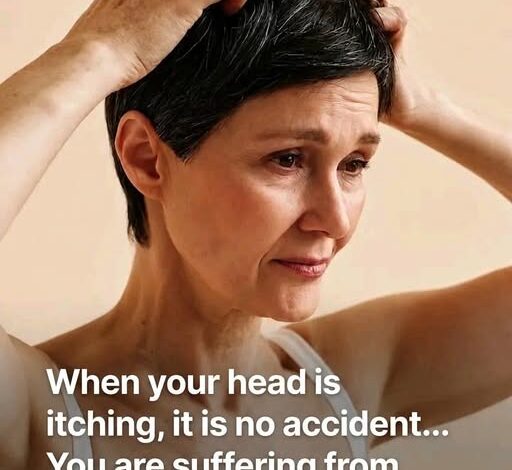
An itchy scalp may seem like a minor annoyance at first, but when it persists, it can quickly become a real source of daily discomfort. It can distract you while you work, interrupt your sleep, make you feel self-conscious, and leave you constantly wondering what is causing the irritation.
The scalp is sensitive, and itching can come from many different sources. Sometimes the cause is simple, such as dryness or irritation from a hair product. Other times, it may be linked to a skin condition that requires medical treatment. Understanding where the itching comes from is the first step toward calming it properly.
One of the most common causes of scalp itching is seborrheic dermatitis. This inflammatory skin condition often causes redness, flakes, dandruff, and scaly patches. It is linked to oil production on the scalp, which can encourage the overgrowth of yeasts that naturally live on the skin. When the scalp reacts, inflammation appears, skin cells renew too quickly, and flakes or irritation may follow.
Another possible cause is psoriasis. This autoimmune condition can affect different areas of the body, including the scalp. It often causes thick, red patches covered with silvery or whitish scales. Scalp psoriasis can be itchy, uncomfortable, and sometimes mistaken for severe dandruff, which is why a proper diagnosis is important.
Contact dermatitis is another frequent explanation. This happens when the scalp reacts to something it has touched, often a shampoo, conditioner, hair dye, styling product, or treatment. Some ingredients may irritate sensitive skin or trigger an allergic reaction. Products containing fragrances, alcohol, sulfates, parabens, or synthetic dyes may be especially irritating for some people.
If you notice itching after changing hair products, coloring your hair, or using a new treatment, it may be worth checking the label. Choosing products marked hypoallergenic, fragrance-free, or designed for sensitive skin may help reduce irritation. Before using a new product, especially a dye or chemical treatment, it is also wise to do a patch test. Apply a small amount to the inside of your forearm and wait about 24 hours. If redness, itching, burning, or irritation appears, avoid using that product on your scalp.
Other skin conditions can also cause scalp itching. Atopic dermatitis, a form of eczema, may affect the scalp and lead to dryness, redness, and irritation. Fungal infections can also cause itching, flaking, and sometimes hair loss or sore patches. Lice are another possibility, especially when the itching is intense and focused behind the ears or near the nape of the neck.
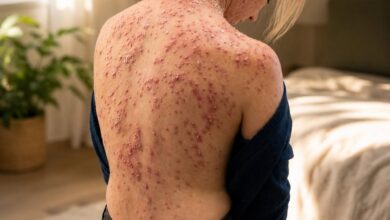
Hives may also appear on the scalp as part of an allergic reaction. They can be triggered by food, medication, sweat, stress, or other irritants. In these cases, itching may appear suddenly and may be accompanied by raised, swollen, or red areas on the skin.
Environmental factors can make the problem worse, too. Dry weather, pollution, harsh wind, frequent washing, hot water, and stress can all contribute to scalp discomfort. Stress does not always directly cause the condition, but it can worsen itching and make the body more sensitive to irritation.
Because the causes are so varied, treatment depends on the origin of the problem. A dry scalp may improve with gentler products and better hydration. Seborrheic dermatitis may require medicated shampoos. Psoriasis, eczema, fungal infections, lice, and allergic reactions may need specific treatments recommended by a healthcare professional.
It is especially important to see a dermatologist if the itching lasts longer than a week, becomes severe, or appears with other symptoms such as hair loss, sores, bleeding, swelling, crusting, or a rash. These signs may indicate that the scalp needs targeted medical care rather than simple home remedies.
An itchy scalp is common, but it should not be ignored when it persists. Your scalp, like the rest of your skin, can signal when something is out of balance. Paying attention to those signs, choosing gentle products, avoiding known irritants, and seeking professional advice when needed can help you find relief and protect the health of your scalp.