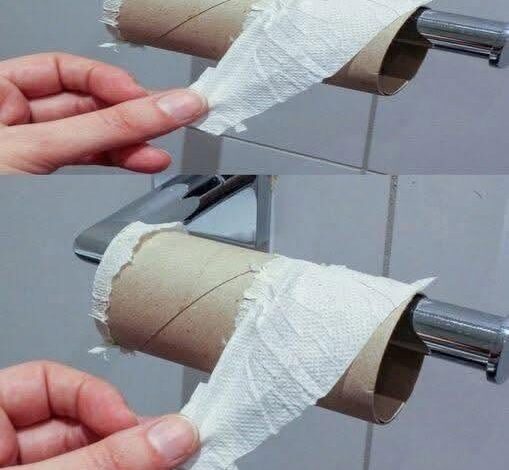
For years, toilet paper was one of those household items most people never questioned. It was always there, always needed, and rarely thought about beyond buying another pack when the roll ran low. But as more households become aware of sustainability and waste, even the most ordinary parts of daily life are being reconsidered. People who already pay attention to recycling, plastic use, and energy consumption are beginning to notice that bathroom habits also have an environmental footprint.
Toilet paper became common in the 1800s because it was convenient, disposable, and easy to use. Over time, it became a standard product in many parts of the world. Yet producing it requires significant resources. Trees must be harvested, water and energy are used during manufacturing, and the finished rolls must be packaged, shipped, stored, and eventually thrown away after a single use. When viewed this way, a simple bathroom product becomes part of a much larger conversation about consumption and waste.
Consumers are also paying closer attention to what goes into the products they use every day. Even when items meet safety regulations, many shoppers now prefer products that feel simpler, gentler, or more natural. This shift has encouraged people to look beyond familiar habits and consider cleaning methods that have been common in other cultures for generations. One of the biggest examples is the use of water for personal hygiene, which many people see as cleaner, more effective, and less wasteful than relying only on paper.
Because of this, water-based bathroom options are gaining popularity in Western homes. Bidet attachments, handheld sprayers, and modern toilet systems are now more affordable and easier to install than many people expect. Some families are also experimenting with reusable cloth alternatives as a way to reduce paper use and save money over time. While changing a long-standing habit can feel unusual at first, more people are recognizing that small daily choices can add up. The growing interest in toilet paper alternatives shows that sustainability is no longer limited to kitchens, grocery bags, or recycling bins—it is reaching every corner of the home, including the bathroom.